You're reviewing a premium hotel-spa prospect in Bangkok, and the commercial question isn't whether the property looks impressive. It's whether the account can sell enough product, create a credible reference, and give your Swiss natural-cosmetics portfolio a platform beyond one hotel. Banyan Tree Bangkok deserves that assessment because its value sits at the intersection of spa authority, all-suite accommodation, rooftop visibility, and international brand recognition.
The account shouldn't be approached as a broad hotel launch. The stronger strategy is narrower: identify the touchpoints where a natural cosmetics line can be used, experienced, and purchased, then build a pilot that proves operational fit.
Why Banyan Tree Bangkok Matters to a Wellness Distributor
A Swiss distributor evaluating Bangkok has a familiar choice. Pursue a newer luxury opening with fresh interiors and fewer incumbent suppliers, or approach an established hotel whose brand already carries weight with spa guests, travel buyers, and other hospitality operators. Banyan Tree Bangkok belongs on the shortlist because a successful placement could function as a reference account, not merely a local sales channel.
The property opened in January 2002 after Banyan Tree Hotels & Resorts took over management of a city hotel in Bangkok and completed a major renovation that added upgraded facilities, spa amenities, and a Banyan Tree Gallery, as recorded by Forbes Travel Guide's Banyan Tree Bangkok profile. It has remained a visible part of Bangkok's skyline, giving the account a level of institutional recognition that many newer properties still need to build.
Evaluate the account in three steps
Start with credibility. Ask whether the property can strengthen your next conversation with a spa group, hotel operator, or international buyer. A recognised flagship can do that even when direct product volume is controlled.
Map the buying surface. Don't treat every hotel department as equally accessible. The spa, Banyan Tree Gallery, rooms division, and procurement team will each have different requirements and decision rights.
Pitch an operating solution. A hotel won't approve a product because its ingredients sound attractive. It needs dependable supply, training, treatment integration, documentation, and a clear guest experience.
The decision is therefore straightforward. Pursue Banyan Tree Bangkok if your portfolio can support premium treatment use, controlled retail, or a carefully designed amenity programme. Don't pursue it as a speculative, hotel-wide catalogue placement without a defined owner, product role, and trial structure.
The property's age isn't automatically a disadvantage. Its established identity can make it more useful as a trade reference than an unknown new opening. The commercial challenge is proving that your line adds something the existing spa and retail offer cannot already deliver.
The Property's Origin and Physical Format
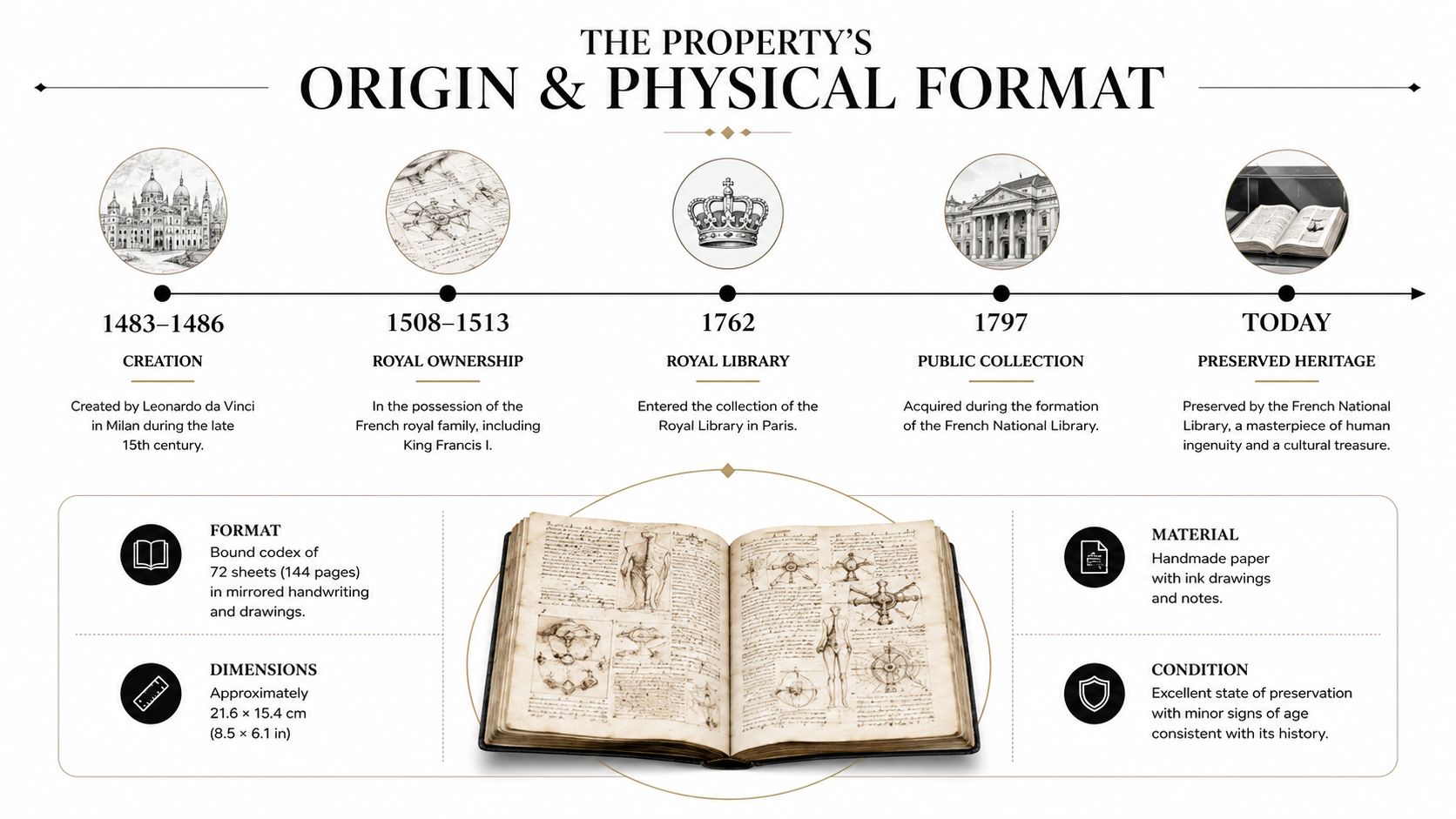
A distributor walking into a sales meeting needs to understand the building before discussing bottles, treatment protocols, or shelf displays. Banyan Tree Bangkok opened in January 2002 and became the fourth property in the Banyan Tree portfolio by that year, following the group's first resort in Phuket in 1994. The group's origin story is linked to the regeneration of more than 550 acres of abandoned tin-mine land in Bang Tao Bay, according to the group's 2019 annual report.
That history matters because Banyan Tree wasn't built around a narrow cosmetics proposition. It developed from a Thai resort platform with a holistic hospitality identity, then extended that identity into an urban hotel. A supplier should therefore frame its proposal around the complete guest ritual, not just a product's botanical credentials.
A vertical property with a specific commercial logic
Banyan Tree Bangkok operates as a 61-floor hotel in Sathorn. Available listings describe its standard inventory as suites with a minimum size of 56 m², and place the property about 2.2 km from Bangkok's city centre, with access to BTS and MRT-linked business districts, as outlined by Compass Bangkok's property listing.
That format changes the partner proposition. Larger suites support a more spacious, privacy-oriented guest experience, which is useful for premium skincare, bath rituals, and products intended for deliberate use rather than quick consumption. It also suggests a guest who may value the room as a retreat after business meetings or city exploration.
The building's verticality creates both advantages and constraints:
- Premium setting: Rooftop venues and skyline views give the property strong experiential assets.
- Operational complexity: Stock movement, replenishment, and training must work across a tall, department-heavy hotel.
- Higher-value context: Suite-led accommodation gives premium products more room to be positioned as part of a considered stay.
- Business access: Sathorn's connection to corporate districts supports a commercially relevant weekday audience.
Practical rule: Sell the property on controlled, high-value touchpoints, not on the assumption that every occupied suite becomes a cosmetics customer.
For a distributor, the building points to a partnership with selective distribution, disciplined replenishment, and a clear distinction between professional-use stock and guest-facing retail. The property isn't a mass-volume test. It's a premium environment where execution quality will influence the value of the reference account.
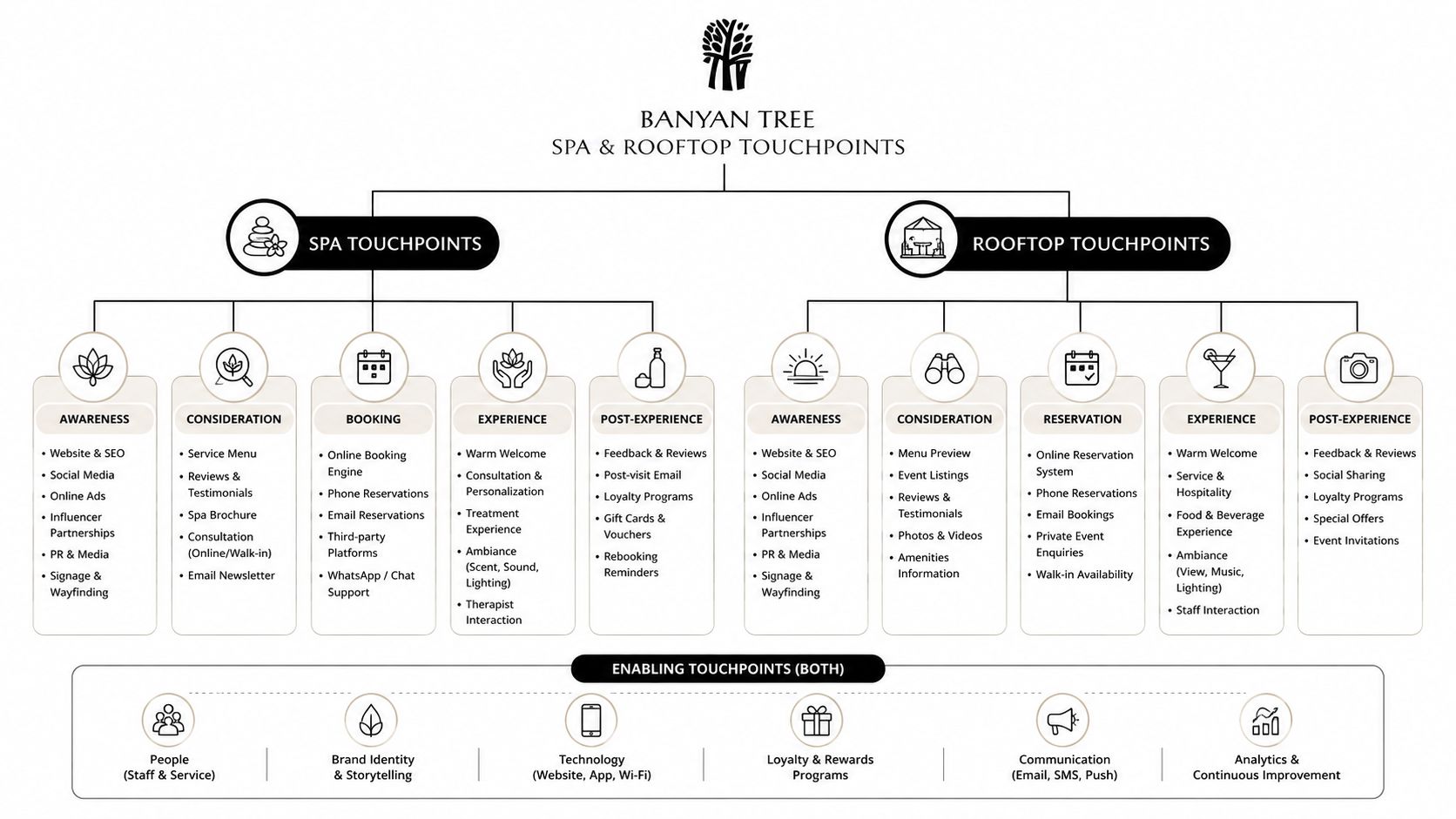
Banyan Tree Spa and Rooftop Touchpoints
This is the account's strongest commercial entry point. Banyan Tree Spa Bangkok gives a natural-cosmetics distributor a professional-use environment, while the rooftop facilities and Banyan Tree Gallery create guest-facing opportunities. Those surfaces should be treated separately because they serve different purposes and require different commercial arguments.
The treatment room is the credibility engine
A signature treatment or protocol is the most persuasive first activation because therapists can demonstrate texture, scent, application, and after-feel in a controlled setting. The right line needs more than natural positioning. It should offer:
- Clear professional protocols: Therapists need defined quantities, sequence, contraindications, and storage instructions.
- Sensory distinction: A treatment product must feel different from an ordinary retail moisturiser.
- Ingredient evidence: Claims should be supported by certification, sourcing records, and compliant product documentation.
- Training discipline: Staff need concise education that they can translate into guest recommendations.
Volume here is likely to be measured and professional-led, rather than driven by open retail traffic. That's still valuable. Treatment use gives the brand a reason to exist inside the spa and creates a credible recommendation pathway into retail.
The Banyan Tree Gallery is the conversion surface
The Gallery concept was added during the property's original major renovation, alongside upgraded facilities and spa amenities, according to the Forbes Travel Guide account. For a distributor, the Gallery is the logical place to test a compact assortment rather than submit a full portfolio.
A strong retail proposal should contain a small number of products with distinct roles:
- Hero treatment product: The item used during the spa ritual and recommended afterwards.
- Travel-friendly purchase: A format suitable for guests who want to take the experience home.
- Provenance product: An item whose Swiss or European sourcing story can be explained quickly at shelf.
- Giftable option: Packaging and price architecture suited to a premium hotel purchase.
The shelf should earn its space through story clarity and treatment connection. A guest shouldn't have to decode why the product belongs there.
Rooftop venues create visibility, not automatic volume
The rooftop dining, pool, and leisure environment can support sampling, post-treatment recovery rituals, or selected in-room placements. It's a poor fit for a broad product push because rooftop guests may be there for dining, views, or social occasions rather than skincare shopping.
Use the rooftop as an experience amplifier. A cooling body product, bath ritual, or discreet post-sun care item may fit better than a complex facial range requiring a consultation. The integration should feel like hospitality, not a sales stand.
A distributor should present three commercial surfaces in one meeting:
- Treatment room: Professional use and therapist recommendation.
- Gallery: Curated retail and take-home conversion.
- Room or leisure touchpoint: Sampling, amenity, or recovery ritual.
That structure gives the hotel several ways to say yes without committing to a full property rollout.
How Banyan Tree Bangkok Compares With Newer Bangkok Luxury
Banyan Tree Bangkok has a problem that a newer luxury hotel doesn't. It must defend an established identity in a city where fresh design, integrated dining, and lifestyle programming attract attention quickly. Banyan Group itself is continuing expansion with new resorts and branded developments, including activity referenced in TTG Asia's 2025 expansion report.
For a cosmetics distributor, the comparison shouldn't stop at room décor. The useful question is where the property gives a brand a better operating platform than newer competitors, and where it demands more work to stay relevant.
| Attribute | Banyan Tree Bangkok | Newer Bangkok luxury openings |
|---|---|---|
| Spa proposition | Established Banyan Tree Spa identity with a strong fit for treatment-led product placement | Often designed around newer wellness, lifestyle, or design narratives |
| Room format | All-suite positioning, with standard suites starting at 56 m² according to Compass Bangkok | May offer fresher room design, but suite-led positioning varies by property |
| Vertical experience | 61-floor hotel with rooftop dining and leisure touchpoints | Newer assets may integrate nightlife, dining, and social programming more visibly |
| Location logic | Sathorn access to corporate districts and public transport links | Some newer openings may compete through different central or lifestyle districts |
| Partner entry point | Spa and Gallery provide identifiable surfaces for a specialist supplier | Newer hotels may have fewer incumbent relationships, but less established spa authority |
| Main weakness | The 2002 opening means parts of the physical product may feel less current than newly built hotels | Newness can support launch publicity and design-led merchandising |
The older property still wins on suite differentiation, spa recognition, and rooftop identity. Those are tangible assets for a distributor because they create a setting in which a product can be used and remembered.
It may lose when the buyer prioritises social energy, design novelty, or a tightly integrated lifestyle concept. Newer openings can also offer a cleaner launch window, especially if procurement has not yet settled on incumbent suppliers.
The recommendation is to avoid a generic “we're a luxury hotel brand too” pitch. Position the cosmetics line as a way to refresh selected guest rituals inside an established property. That approach respects Banyan Tree Bangkok's existing equity while addressing the areas where newer hotels appear more current.
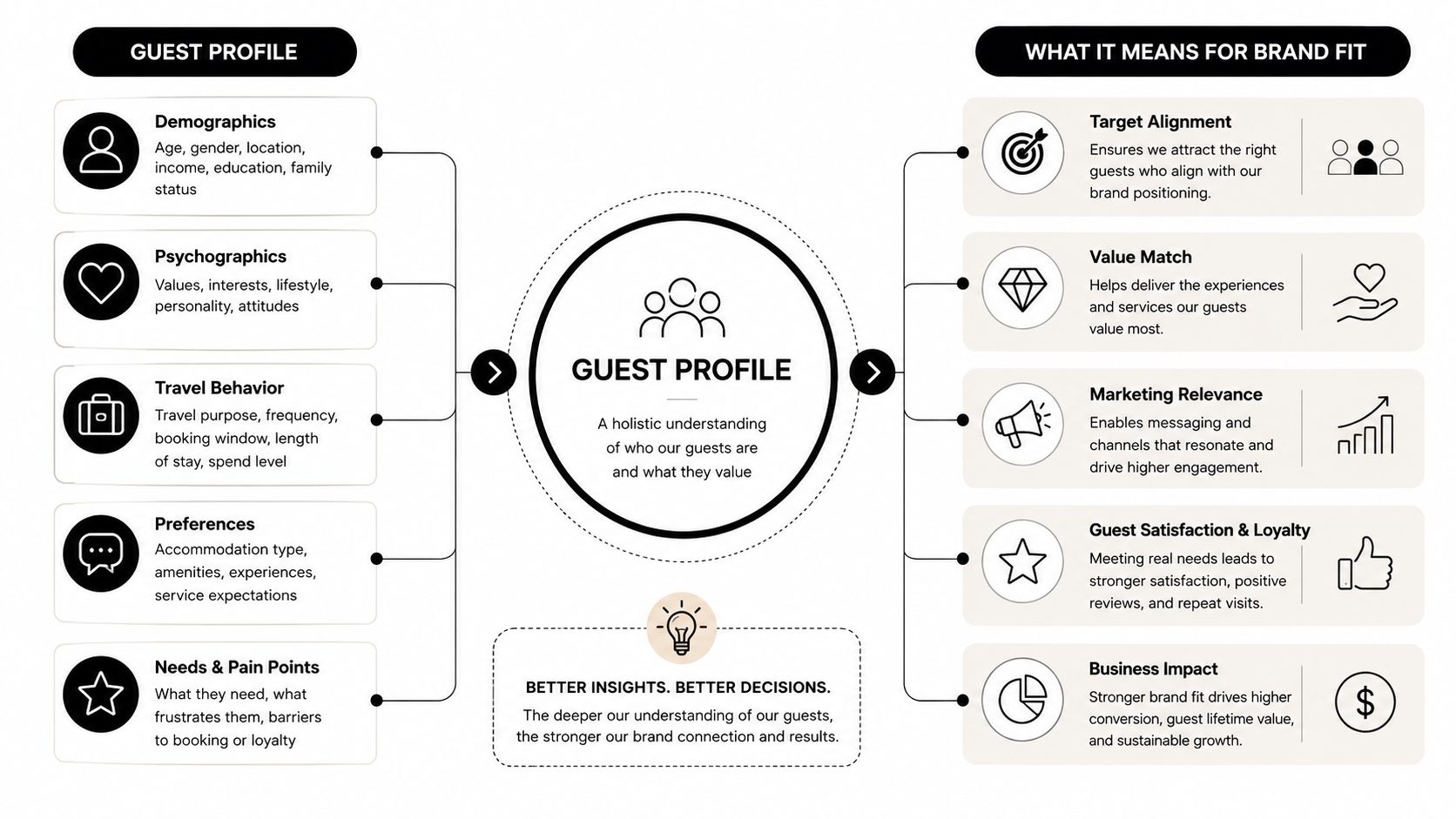
Guest Profile and What It Means for Brand Fit
The property's Sathorn location, suite-led room format, spa identity, and corporate-district access point to a guest base that values privacy, convenience, and premium service. The public material available for the property doesn't provide CH-specific booking or demand data, so a distributor should avoid presenting a precise source-market split as established fact.
The more useful commercial approach is to define likely intent rather than claim an unsupported percentage. Banyan Tree Bangkok is best approached as a property serving a combination of corporate travellers, affluent leisure guests, and international visitors who are choosing a recognised luxury stay rather than a purely price-led city base.
Translate guest intent into product decisions
A guest who books an all-suite luxury hotel may be receptive to:
- Ingredient transparency: Clean formulations with documentation that staff can explain.
- Provenance: Swiss or European sourcing presented as evidence of care, not as empty prestige.
- Sensory quality: Products that make the spa experience feel distinctive.
- Convenience: Travel-ready formats that work for guests moving between business and leisure.
- Trust: Certifications and cruelty-free commitments that reduce purchase hesitation.
That doesn't mean every guest is a target. Price-sensitive regional weekend traffic, deal-led bookings, and guests focused entirely on sightseeing may not convert into premium cosmetics buyers. The distributor should qualify the account by product surface and guest moment, not by the hotel's star rating alone.
Match format to audience
In-spa placement should lead. It reaches a guest already paying attention to wellbeing and gives therapists a credible reason to recommend the product.
Gallery retail should follow with a narrow range. The buyer needs evidence that the line can sell through a premium environment without creating shelf clutter or extensive explanation.
In-room amenities require more caution. They can create broad trial, but they also bring packaging, replenishment, waste, and procurement complexity. Use them only when the product has a clear role and the hotel can support the supply model.
Signature treatments are the strongest bridge between professional use and retail. They give the product a name, a sequence, and a memory.
A hotel's communication system also affects conversion. Teams planning service reminders, post-treatment guidance, or product follow-up may benefit from practical advice on how to save time with better guest communication, especially when recommendations need to reach guests without adding manual work for front-of-house staff.
The right pitch is therefore not “our products suit luxury guests”. It's “this product solves a specific spa, retail, or guest-care need for a guest who already values premium service and considered purchasing”.
Why a Swiss Natural-Cosmetics Portfolio Fits the Brand
A Swiss natural-cosmetics portfolio can fit Banyan Tree Bangkok, but only if the distributor treats sustainability as an operational requirement rather than a decorative message. Banyan Group reported that infrastructure upgrades involving lighting, air conditioning, room-control systems, solar panels, and timer controls helped deliver a 5.7% reduction in emissions intensity per occupied room in 2024. The same 2024 sustainability report announcement reported 28% of total waste diverted from landfill and a 5.1% improvement in water efficiency per occupied room compared with 2023.
Those figures don't prove that a particular cosmetic supplier will be accepted. They do show that the group publishes operational sustainability metrics, which raises the standard for supplier conversations. A line that makes broad claims without ingredient records, certification evidence, packaging information, and responsible sourcing documentation will be difficult to defend.
Certification has a commercial job
For a spa operator, ECOCERT alignment, cruelty-free commitments, and ethical sourcing can simplify the guest conversation. Staff can explain what makes the line different without relying on vague “clean” language. The distributor should prepare a concise compliance pack covering:
- Certification scope: Which products and claims are covered.
- Ingredient provenance: Where key oils, botanicals, or marine ingredients originate.
- Packaging profile: Materials, recyclability, and disposal guidance.
- Animal welfare position: The standards behind cruelty-free claims.
- Professional documentation: Product specifications, safety information, and usage protocols.
Swiss provenance can support premium positioning, but it won't carry the proposal alone. Buyers need to see how provenance improves the guest experience, supports the spa story, and withstands internal review.
A useful example of how heritage can be communicated without reducing it to a slogan is the discussion of the Swiss heritage behind Karin Herzog's Radiance positioning. The lesson for a distributor is practical: history should connect to formulation, expertise, and product use.
Build the sustainability case around systems
A hotel operating at high rise scale has to manage stock, waste, water, energy, and staff time. A supplier can contribute by offering:
- Concentrated formats where appropriate.
- Refillable or reduced-packaging options when operationally viable.
- Clear dispensing controls for treatment rooms.
- Training that reduces overuse and product wastage.
- Reliable forecasting to prevent emergency shipments.
The strongest proposal will say exactly how the line supports the property's existing operating model. Sustainability becomes persuasive when it reduces friction, documents responsibility, and improves the guest ritual at the same time.
A Practical Outreach and Activation Playbook
Don't start with a generic procurement email. Banyan Tree Bangkok is a multi-department account, so the distributor should build a contact map before presenting a product catalogue.
Identify the three decision paths
The spa director owns treatment quality, therapist adoption, training, and professional product performance. This is the best route for a signature treatment proposal.
The rooms division leader is relevant for amenities, in-room placement, and guest-use logistics. This route requires a stronger replenishment and packaging argument.
The Banyan Tree Gallery retail buyer assesses assortment, shelf productivity, merchandising, and commercial terms. A tightly edited retail range belongs here.
Procurement may influence all three paths, but it shouldn't be the only entry point. A buyer needs an internal champion who can explain why the line deserves consideration.
Present one of three pilot formats
Signature co-branded treatment. Offer one defined protocol with a small number of products, therapist training, guest-facing language, and a retail follow-on.
In-room amenity programme. Use this only for products with simple application, dependable replenishment, and packaging that fits the hotel's service model.
Gallery retail concession. Propose a limited shelf footprint, clear product hierarchy, tester policy, and staff recommendation script.
A credible pilot should run for six months, with the duration written into the proposal rather than left as an open-ended trial. The scope should define the treatment menu, shelf footprint, participating staff, supply responsibilities, and review date.
Track commercial and operational measures such as treatment adoption, product usage, replenishment accuracy, retail sell-through, guest feedback, staff confidence, and waste observations. Don't promise a performance lift before the hotel has baseline data.
Buyer's test: If the proposal can't explain who stores the product, who trains the team, and who reviews the results, it isn't ready for procurement.
Expect objections. Banyan Tree Bangkok may already have supplier relationships, exclusivity clauses, brand standards, or volume minimums. Answer each with a narrower opening offer, documented differentiation, and a willingness to start with one treatment or one retail selection.
The same principle applies to guest-facing communication. If the hotel wants to support a post-treatment recommendation or digital service touchpoint, it's useful to browse Purple's guest WiFi for context on how connected guest experiences can support on-property engagement. Keep that technology discussion separate from the cosmetics proposal, but understand where the guest journey can carry a recommendation without adding pressure.
The Verdict on Pursuing Banyan Tree Bangkok
Pursue the account, but don't overbuild the first proposal.
Banyan Tree Bangkok isn't Bangkok's newest or most design-led luxury property. Its 61-floor vertical format, all-suite positioning, rooftop identity, and established spa platform still give it a defensible place in the market. Its value for a Swiss natural-cosmetics distributor is less about immediate volume than about credibility with future hotel, spa, and wellness buyers across Asia-Pacific.
Lead with the spa and Banyan Tree Gallery. Make the first offer a defined signature treatment or tightly curated retail pilot, supported by certification records, sourcing evidence, packaging details, therapist training, and a practical replenishment plan. Treat in-room amenities as a second-stage option, not the default.
The account is a go when the distributor has a differentiated natural formulation, reliable international supply, and a team prepared to support professional use. It's a no-go if the pitch depends only on Swiss prestige, broad sustainability language, or a request for hotel-wide placement without proof of operational fit.
beautysecrets.agency curates natural, ethically sourced cosmetics for premium spas, hotels, retailers, pharmacies, and e-commerce partners. Visit beautysecrets.agency to explore a portfolio built around certified formulations, transparent sourcing, and differentiated wellness experiences.