You're probably in one of two positions right now. Either you run a Swiss pharmacy, spa, or boutique with a carefully edited assortment built around clean, natural, and sensorial skincare, and a client has asked for Dr. Dennis Gross by name. Or you're considering whether the Alpha Beta Peel deserves shelf space beside brands that speak more easily to botanical, organic, or marine-led values.
That decision shouldn't be made on hype. It should be made on fit, safety, repeatability, and whether your team can explain the product properly at the counter.
The Alpha Beta Peel Dr. Dennis Gross sits in a category many retailers mishandle. They treat it like another exfoliant. It isn't. It's a structured, high-performance at-home treatment that borrows the logic of a professional peel while keeping the experience retail-friendly. In Switzerland, that creates both opportunity and responsibility. Clients want visible results, but they also expect clean positioning, disciplined advice, and zero nonsense around misuse.
Introducing a Cult Classic to Your Curated Collection
A lot of Swiss retailers make the same mistake when they first assess this line. They ask, “Does it fit our brand story?” That's the wrong first question. The better question is whether it solves a customer problem your current assortment doesn't solve fast enough.
If you stock beautiful oils, barrier creams, marine masks, and certified natural daily care, you already cover maintenance. What you may not cover is targeted correction for texture, dullness, visible pores, blemish-prone skin, and clients who want a more clinical-looking result without booking a procedure.
Why this product earns attention
The Dr. Dennis Gross peel range has become a reference point because it sits between facial room treatment and daily homecare. That's exactly why it can work in a Swiss retail setting. It gives your team a credible answer for clients who say:
- “My skin looks flat and congested.”
- “Natural skincare feels lovely, but I want something stronger.”
- “I need one treatment that tackles several concerns at once.”
That doesn't mean you throw out your current merchandising philosophy. It means you introduce one specialist cosmeceutical with tight staff guidance and strict usage messaging.
Commercial rule: Don't position this as a lifestyle product. Position it as a problem-solving treatment.
The buyer question that actually matters
A new retail partner often gets distracted by brand recognition alone. Recognition helps, but it won't protect your margin or your reputation if the product is poorly matched. Before you list any performance-led skincare, you need to answer the key buyer question and decide whether the line fills a real assortment gap, earns trust quickly, and can be sold responsibly by your staff.
For the Alpha Beta Peel, my view is clear. It belongs in a curated Swiss collection when three conditions are met:
- Your team can clearly explain the two-step system.
- You're willing to advise against misuse, including pad-cutting hacks.
- You present it as treatment skincare, not impulse skincare.
Where it fits in a Swiss assortment
This line works best in pharmacies, medi-spa retail, premium e-commerce, and selective beauty counters where consultation still matters. It is less suited to a passive shelf where clients self-diagnose from packaging.
The client who buys this product isn't only buying exfoliation. They're buying control. They want visible renewal without the chaos that often comes with random acid serums, overused toners, and social-media skincare habits.
That's why the product can sit beside natural and clean beauty rather than compete with it. One serves ritual and skin maintenance. The other serves correction.
The Science Behind the Two-Step System
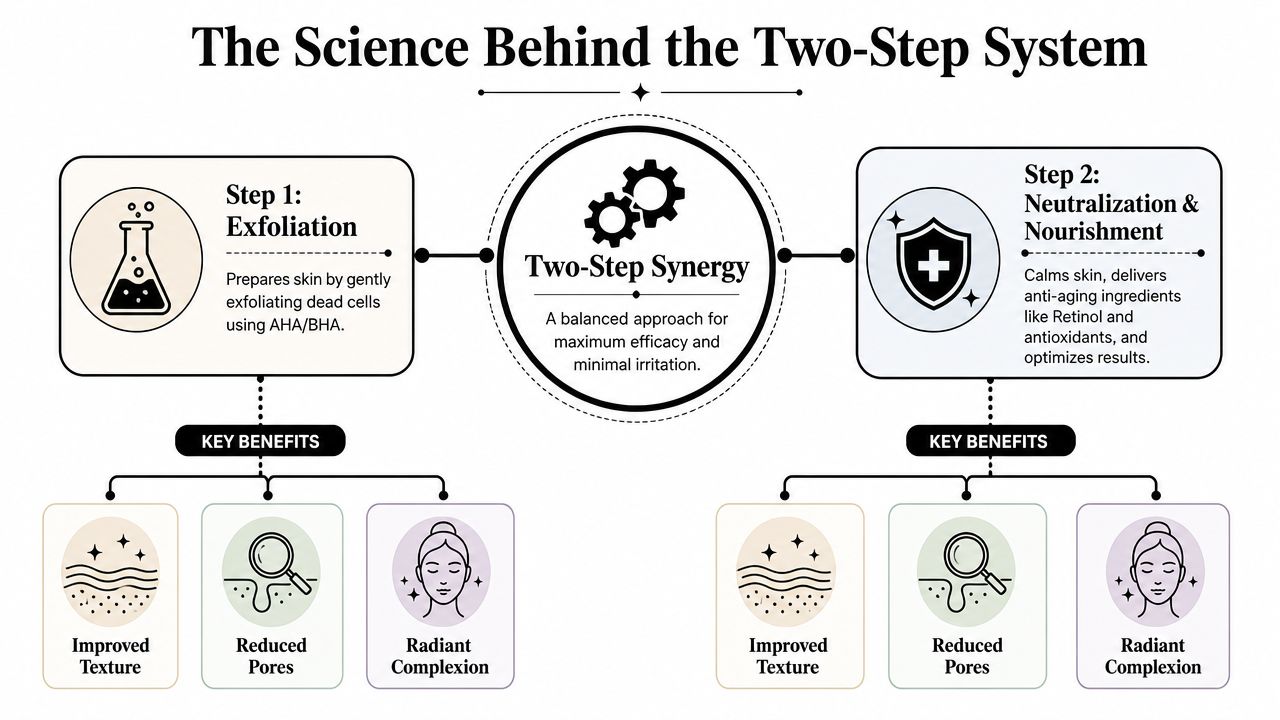
The commercial strength of this product is the same as its scientific strength. It's organised. Clients understand pads. Staff can demonstrate the sequence in seconds. And the two-step format gives you a cleaner safety story than many one-step acid products.
Step 1 does the resurfacing work
The first pad uses alpha and beta hydroxy acids to loosen and remove the dead surface cells that make skin look rough, dull, and uneven. This matters in retail because many clients don't need more moisturiser first. They need to clear the layer that stops the rest of their skincare from performing well.
The easiest way to explain it is this: Step 1 is like a controlled renovation. It clears old material, smooths the surface, and helps congested areas release build-up.
For staff training, keep the explanation practical:
- AHAs support surface renewal. They target roughness and visible texture.
- BHAs help with pore-focused concerns. They're especially useful when a client talks about congestion or breakout-prone areas.
- The blend matters. If your team needs a simple refresher on acid roles, this guide to salicylic vs glycolic acid for acne helps frame the difference in customer-friendly terms.
Step 2 is not optional
Many retailers undersell the system. They describe the second pad as a soothing follow-up. That's too weak. It is the control mechanism.
Step 2 neutralises the acid activity and replenishes the skin with renewing ingredients. That's what separates a disciplined peel format from the sloppy over-exfoliation clients often create at home with layered acids.
The second pad is why the product feels designed rather than improvised.
If you want a counter analogy, use this one. Step 1 opens the treatment. Step 2 closes it properly.
Why the two-step model is commercially strong
Swiss clients don't just want efficacy. They want efficacy they can understand. The two-step format lets your team explain why this is more than a harsh peel. It is a timed, structured process built around both action and control.
According to brand-conducted research, the Dr. Dennis Gross Alpha Beta® Extra Strength Daily Peel showed 92% of participants had measurable improvement in skin texture after two weeks according to the referenced review summary. That timeline matters because it gives retail staff a realistic way to frame early expectations without promising overnight transformation.
How to explain it in one sentence
If your team needs a script, use this:
- “Step 1 exfoliates with AHA and BHA acids, and Step 2 switches the peel off and supports the skin so you get results without unnecessary over-peeling.”
That sentence sells the concept properly. It also reduces one of the biggest retail risks in acid skincare, which is customers assuming stronger always means better.
Matching the Right Peel to Every Client
A client walks into a Zürich pharmacy, asks for “the strong one,” and leaves with a peel that outpaces her tolerance. Two days later, your team is handling redness, regret, and a refund request. That is not a product problem. It is a matching problem.
Swiss clients buy with intent. They expect precise recommendations, clear reasoning, and professional restraint. That makes client selection part of the sales process and part of your risk control.
Start with the client, not the SKU
Clients do not usually shop by acid percentage or peel tier. They shop by concern, confidence, and past experience. Your staff should listen for those three signals first, then choose the peel.
Use this table at counter level and in treatment-room consultations.
Dr. Dennis Gross Peel Strength Comparison
| Peel Strength | Ideal Client Profile | Key Acids | Primary Benefits |
|---|---|---|---|
| Ultra Gentle | Sensitive, peel-nervous, barrier-aware client who wants a cautious entry point | AHA/BHA blend in a gentler format | Easier introduction to resurfacing, lower intimidation factor |
| Universal | Most new users who want brighter, smoother, clearer-looking skin without jumping to the strongest option | A balanced hydroxy acid blend | Texture refinement, visible polish, pore-focused improvement, convenient routine fit |
| Extra Strength | Experienced acid user or results-driven client targeting stubborn texture and more pronounced signs of ageing | A stronger AHA/BHA resurfacing approach | More assertive resurfacing for users already comfortable with active skincare |
One mistake costs more than one sale. It can damage trust in the whole category.
The four questions your team should ask every time
Keep the consultation short and disciplined:
- Have you used acid exfoliants before?
- What are you trying to correct first: texture, pores, breakouts, marks, or lines?
- Does your skin react easily, or do you tolerate active products well?
- Do you want a cautious start or faster visible correction?
These four questions do two jobs. They improve recommendation quality, and they show the client that this is a controlled cosmeceutical purchase, not impulse skincare.
My recommendation by client type
For the hesitant first-timer, start with the lowest-friction option. These clients need a positive first experience more than dramatic early change. If the first use feels manageable, you keep the client. If it feels aggressive, you lose the client and likely the category.
For the mainstream correction-focused client, Universal is usually the commercial workhorse. It suits the broad middle of a pharmacy or spa customer base because it gives visible resurfacing without forcing you into an overly aggressive recommendation. That matters in Switzerland, where many clients say they want results but still frame their preferences around skin balance, tolerance, and “cleaner” routines.
For the experienced actives user, Extra Strength fits clients who already use acids, retinoids, or clinical-style home care and want a stronger path. Sell it only when tolerance history supports it. Enthusiasm is not a skin type.
Reward proven tolerance, not client bravado.
How to position the peel in a consultation
Do not sell this product as a “natural glow pad.” That attracts the wrong expectations and creates confusion the moment the client feels activity on skin. Sell it as a structured cosmeceutical exfoliation system for clients who want visible renewal and are willing to follow instructions.
That positioning is especially useful in Swiss pharmacies and spas, where many clients compare every formula against a natural beauty standard. You do not need to pretend this peel belongs in the botanical wellness aisle. You need to explain why a high-performance acid system earns its place in a curated assortment.
If a client wants a clinic-adjacent reference point but fears downtime, it can help to compare the category to treatments such as subtle anti-ageing with PRX-T33. The comparison gives context. It should not replace proper matching or clear home-use guidance.
A good recommendation feels measured. That is exactly how this product should be sold.
Guiding Safe Use and Ensuring Swiss Compliance
Swiss retail standards are unforgiving in the best possible way. Clients expect precision. Pharmacies and spas are trusted because they don't pass along careless internet habits. That matters a great deal with this product.
The most important thing your staff can do is give a clean usage script and stop bad advice before it starts circulating.
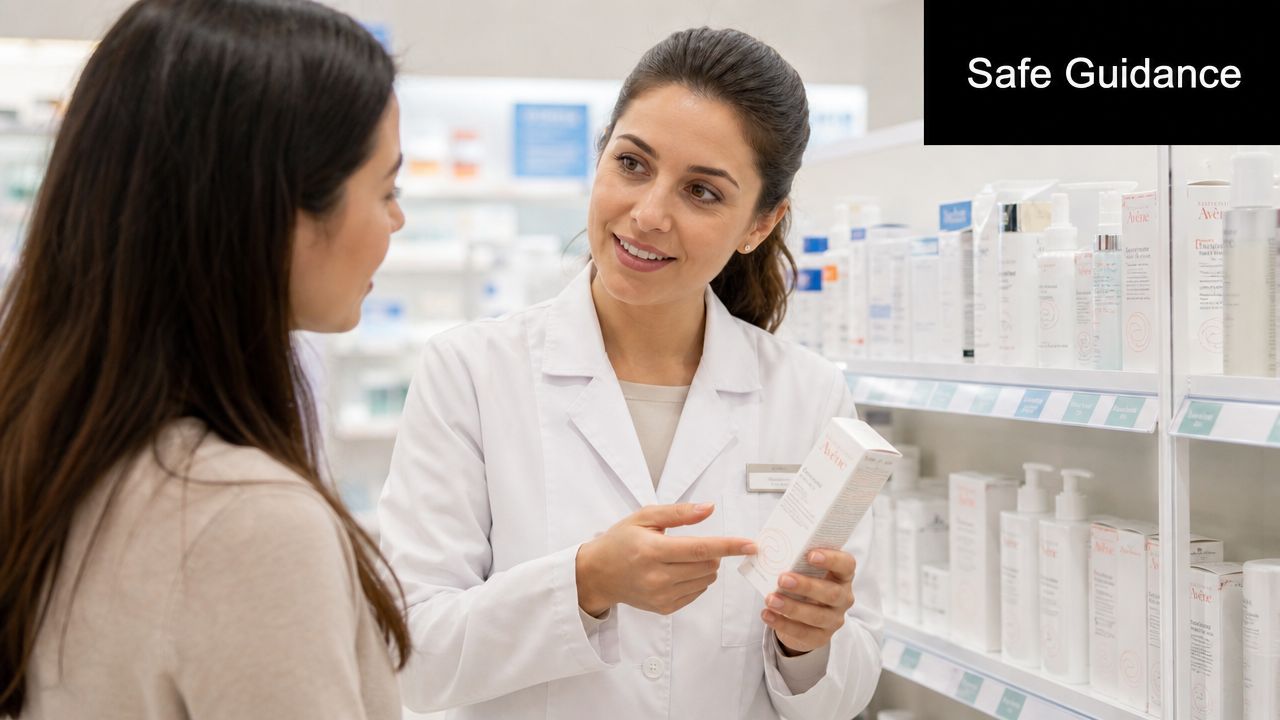
The counter script every team member should know
Tell clients to use the product exactly as designed.
- Start on clean, dry skin. Water changes the feel and can confuse the user's perception of strength.
- Use Step 1 first. Wipe evenly across the face as instructed.
- Follow with Step 2. Don't skip it and don't “save it for later”.
- Observe the skin. A mild active sensation can happen, but the process should still feel controlled.
- Keep the routine simple around the peel. Clients don't need a kitchen sink of actives on the same night.
That's not over-explaining. That's risk management.
The pad-cutting hack is bad retail advice
You will see online chatter about cutting the pads to save money. Do not endorse it. Do not hint at it. Do not let staff casually repeat it.
According to the verified brief, while some users report cutting pads to save money, this creates a severe risk of bacterial contamination and uneven acid distribution, which is a direct liability issue for Swiss pharmacies. The same brief states that brand data shows consistent use of a full pad increases procollagen by 62.5%, and altering the pad reduces active surface area, potentially undermining clinical efficacy, as referenced in this discussion source.
That gives you a firm professional position. The moment a pad is manually altered, you lose consistency, hygiene confidence, and the integrity of the advised dose.
Compliance view: If your business recommends a misuse hack, you inherit part of the problem when the result goes wrong.
What to train your staff to say
Give them exact language. Improvised skincare advice creates trouble.
- If a client wants to cut pads: “We can't recommend altering a pre-dosed treatment pad because it affects hygiene and uniform application.”
- If a client wants to skip Step 2: “The system is built as a complete process. Step 2 is part of safe use.”
- If a client says they want stronger results faster: “More product or altered use doesn't mean better results. It usually means less control.”
Why this matters more in Switzerland
In a market that values pharmacy credibility and product discipline, misuse isn't just a customer-service issue. It's a reputational issue. You're not selling a trend item. You're advising on a potent at-home treatment.
That's why your launch plan must include written staff guidance, not just product training from memory.
Positioning a Cosmeceutical in a Natural Beauty Space
A Swiss pharmacy buyer brings in the peel, places it beside face oils and herbal masks, and the team starts describing it as “natural enough.” That is the wrong launch. You position this product as a controlled corrective treatment with clear rules, clear client matching, and clear staff language.
Clients who buy clean beauty are not rejecting efficacy. They are rejecting clutter, vague claims, and products that feel careless. Your job is to show that this peel earns its place because it is disciplined. It solves a specific problem. It is used in a specific way. It sits inside a calm routine instead of trying to replace one.
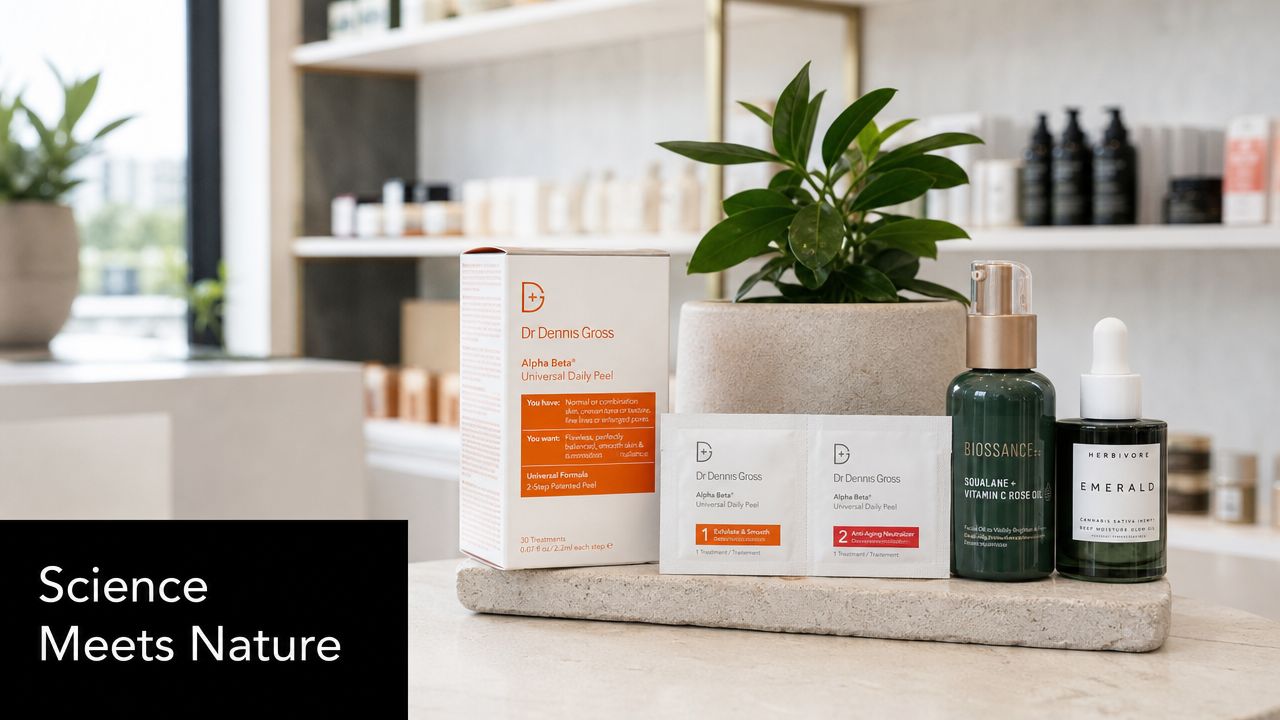
Sell it as a corrective treatment within a gentle routine
Position it as the product for clients whose “clean” routine has plateaued. They are cleansing well, moisturising well, and still complaining about rough texture, congestion, post-blemish marks, or dull tone. That is the opening.
Use language like this:
- Keep the daily routine simple and barrier-focused.
- Use the peel as the scheduled corrective step for texture, congestion, and lack of radiance.
- Follow with soothing, replenishing products.
That protects your natural assortment and improves basket logic. The peel becomes the intervention. The rest of the shelf supports recovery, comfort, and maintenance.
Answer ingredient scrutiny with discipline, not defensiveness
Swiss clients read labels. Pharmacists do too. Spas face the same scrutiny from educated, ingredient-aware customers who do not want to feel pushed into a harsh clinical routine.
So be direct.
- It is dermatologist-developed and treatment-led.
- It is for visible correction, not lifestyle branding.
- It works best in a controlled routine, not an overloaded one.
- It complements a gentle regimen if the client is matched correctly.
Avoid trying to make it sound “natural.” That weakens credibility. “High-performance, well-instructed, and compatible with a barrier-conscious routine” is the stronger position in Switzerland.
Build the business case around guidance
This product should not sit in generic exfoliation. Put it where advice is expected and where staff can protect the sale.
Better placement options are:
- Near corrective serums and targeted treatment products
- Inside a pharmacy skin-concern fixture
- In a staff-recommended section for results-focused skincare
- At spa reception with therapist-led retail support
Placement matters because this is not a self-explanatory cotton pad. It is a cosmeceutical step that needs context. If you merchandise it like a casual exfoliant, you invite misuse, returns, and complaints that start with poor education rather than poor formulation.
Prevent the clean-beauty clash before it starts
The assortment strategy is simple. Let your natural brands own comfort, ritual, and daily maintenance. Let the peel own structured renewal. Those roles are compatible.
That distinction also protects you from a compliance problem. Once staff start softening the message to fit a “clean and gentle” shelf story, they tend to understate potency, skip usage warnings, or improvise around frequency and pairing. In Switzerland, that is poor retail practice. It also creates avoidable liability if a client overuses the product or combines it badly with the rest of their routine.
Train the team to say what the product is. A potent at-home treatment that needs correct use. That level of honesty builds trust faster than trying to force a clinical peel into a natural beauty script that does not fit.
Answering Your Clients Toughest Questions
Your team needs clean, calm answers. Not vague reassurance. Not chemistry lectures. Just competent guidance.
“Will it burn my skin?”
Say this: a light active sensation can happen, but the system includes a second step designed to stop the acid activity in a controlled way. For sensitive-skin clients, that's the point worth stressing. The neutraliser is there to prevent the peel from running on unchecked.
The verified brief states that for sensitive skin clients who fear irritation, the neutraliser in Step 2 is specifically designed to stop acid activity before it can cause “frosting”, a sign of over-peeling, thereby reinforcing the barrier rather than stripping it, as described in this beginner guide reference.
“What's the difference between sensation and irritation?”
Train staff to answer plainly. Sensation is a temporary active feeling. Irritation is when the skin looks or feels wrong after use, especially if the client has ignored instructions or layered too many actives around the peel.
Tell clients not to self-escalate. If they're uncertain, they should reduce complexity in the rest of the routine and ask for guidance rather than pushing through.
If a customer uses strong actives impulsively, the product gets blamed for a routine problem it didn't create.
“Can I use it with retinol or vitamin C?”
Your safest retail answer is conservative. Don't encourage clients to build an aggressive routine around a peel night. Keep surrounding skincare simple and supportive.
A useful script is:
- “Use the peel as the main active treatment that evening.”
- “Don't stack multiple strong actives just because your skin tolerates one of them separately.”
- “When in doubt, simplify.”
“Who should wait before using it?”
Advise caution for clients with freshly compromised skin, recent procedures, or any situation where the barrier is clearly unsettled. If the client is pregnant, under dermatological care, or using prescription treatments, your staff should not improvise. They should advise the client to confirm suitability with their clinician.
“How do I reassure a dry-climate client?”
For Swiss clients dealing with dryness, indoor heating, altitude, or reactive seasonal skin, the best answer is simple: use a peel with discipline, not bravado. Follow the full two-step system, watch the skin, and support it with a calm routine.
That answer builds trust because it sounds like professional care, not retail theatre.
If you're building a premium Swiss skincare assortment and need help introducing high-performance treatment brands without losing your clean-beauty positioning, beautysecrets.agency can help you shape the range, the training, and the retail message so your team sells with confidence and compliance.