A customer stands at your counter holding a foundation in one hand and a primer in the other. She asks the question staff hear every week: “Do I need this, or is it just an extra step?” If the answer is vague, the sale usually stalls. If the answer is too pushy, trust disappears.
That's why primer make up matters in retail. It sits in the most commercially useful space in beauty: between skincare and colour cosmetics. When staff understand what primer does, who needs it, and when it isn't necessary, they stop sounding scripted and start sounding credible.
For Swiss pharmacies and retailers, that matters even more. Customers often want performance, but they also want restraint. They're looking for products that justify their place in a routine, especially in premium, clean, and pharmacy-led environments.
Why Primer Is Your Unsung Retail Hero
A primer rarely draws the customer into the store. Foundation shades, mascaras, and serums usually do that. Yet primer often becomes the product that makes the rest of the basket work better.
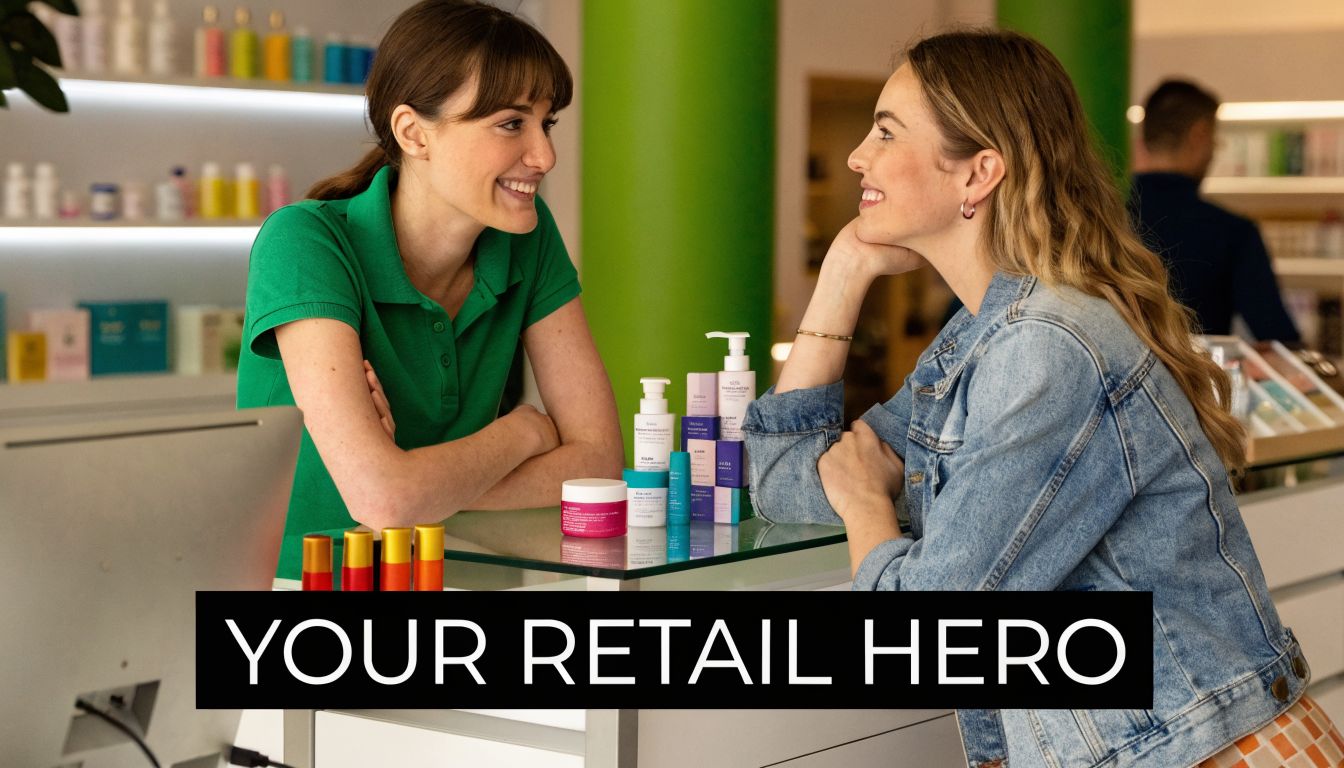
A typical counter conversation goes like this. A customer says her foundation looks patchy by midday, collects around the nose, or slides off the chin. She doesn't ask for a primer. She asks for a foundation that “stays put” or “looks smoother”. Often, the missing product isn't another foundation. It's a better-prepped surface.
Why the category deserves attention
Primer is easy to overlook because it's not always dramatic on first glance. Its value shows up in wear, texture, and finish. That makes it a strong adviser-led category.
For retail teams, primer helps in three ways:
- It solves a visible problem. Uneven application, excess shine, clinging to dry patches, and makeup settling into texture are all concerns customers describe in plain language.
- It supports cross-selling naturally. Primer connects skincare, complexion, and setting products without feeling forced.
- It fits premium positioning well. Customers are often willing to pay for a product that improves the performance of everything layered on top.
The category also has real commercial momentum. The global face primer market is forecast to reach USD 3.3 billion by 2034, and the related lip-and-face primer segment is projected to grow at a 7.0% CAGR from 2026 to 2036, according to Fortune Business Insights on the face primer market. For Swiss retailers, that points to a meaningful opportunity in premium, efficacy-led beauty.
Retail view: Primer is often easier to sell when staff lead with the customer's frustration, not the product category.
Where primer sits in the store
Primer make up works best when your team treats it as a bridge category. It isn't purely skincare, and it isn't purely colour cosmetics. That's exactly why it can lift average basket value while also improving customer satisfaction with foundation and concealer purchases.
When staff can explain primer in practical terms, they stop selling “an extra layer” and start selling smoother application, better finish, and more confidence at the mirror.
Understanding How Primer Actually Works
The easiest way to explain primer is to compare it to preparing a wall before painting. If the surface is rough, oily, flaky, or uneven, the paint won't sit properly. Primer make up prepares the surface so makeup can glide on with less effort and look more even.
That's why primer isn't mainly about adding coverage. It's about changing how the skin feels and how makeup behaves on top of it.
The core mechanism
In many primers, the main technical job is film formation. Silicone-based polymers such as dimethicone create a soft layer on the skin. That layer reduces friction between skin and foundation, which helps makeup spread more evenly and settle less into texture, as explained in Beautylish's primer ingredient breakdown.
If foundation is dragged over bare, uneven skin, it can catch in some places and skip in others. A good primer creates more slip, so the same foundation applies with a more controlled movement.
What staff can say at the counter
Customers often get confused because they expect primer to work like a tinted product. It doesn't. It works more like a performance layer.
Useful wording includes:
- “It won't replace your foundation.” It helps your foundation apply more smoothly.
- “It can make texture look softer.” The effect comes from surface smoothing and better spread.
- “Different primers do different jobs.” Some focus on glide, some on oil control, some on hydration.
A primer doesn't have to be visible to be effective. Its job is often to improve what the customer notices later in the day.
Why some formulas feel silky and others feel dry
Texture tells you a lot about function. A silky, cushiony primer often aims to smooth and blur. A drier, lighter one may be built for oil control or grip. Neither is better in absolute terms. They address different problems.
Here's a simple comparison staff can remember:
| Primer feel | Likely purpose | Best for |
|---|---|---|
| Silky and slip-heavy | Smoothing surface texture | Pores, fine lines, foundation drag |
| Lightweight and quick-drying | Grip and wear support | Long days, makeup movement |
| Soft-dry or powdery | Shine reduction | Oily or combination skin |
| Creamy and comforting | Moisture support | Dry or tight-feeling skin |
When teams understand the mechanism, they can explain primer with confidence instead of repeating generic claims like “makes makeup better”.
A Complete Guide to Primer Types
The fastest way to lose a primer sale is to treat all primers as interchangeable. Customers notice quickly when a mattifying formula is given to someone with flaky skin, or when a rich hydrating primer is handed to someone who wants less shine around the T-zone.
This visual comparison helps staff organise the category at a glance.

The five main retail families
Smoothing primers
These are the classics. They're often rich in slip and are chosen by customers who complain that foundation catches around pores, nose folds, or fine lines.
They suit shoppers who say:
- “My makeup looks uneven up close.”
- “Foundation sits in my pores.”
- “I want a softer-looking finish.”
They're often strong add-ons when a customer is buying a fuller-coverage base.
Mattifying primers
These are built for shine control and makeup stability. They tend to appeal to oily and combination skin, especially in warmer weather or under a long day of wear.
Look for these use cases:
- Busy commuters
- Customers wearing masks for long periods
- Anyone who says their makeup disappears around the nose or forehead
Hydrating primers
A hydrating primer is useful when the customer's real problem isn't longevity but comfort and smoothness. Dry skin often doesn't need more grip. It needs less drag.
These work well for:
- dry or dehydrated skin
- mature skin that dislikes heavy mattifying products
- customers using serum foundations or lighter complexion products
A hydrating primer can also soften the look of rough patches so foundation doesn't cling.
A quick product demo helps here because the benefit is often visible in spread and finish rather than instant blur.
Colour-correcting and finish-enhancing primers
Not every customer wants a neutral base. Some want a specific visual effect before foundation even goes on.
Colour-correcting primers help when the concern is tone imbalance. Green-leaning primers are often chosen for visible redness. Peach or apricot tones are sometimes used when skin looks dull or sallow. Staff don't need to turn this into a theory lesson. The practical rule is simple: use small amounts and keep the recommendation targeted.
Illuminating primers are best for customers who want light reflection and freshness rather than a flat matte look. They're often popular with shoppers who wear light coverage, tinted serums, or foundation only on selected areas.
Special-use primers that deserve a place in staff training
Some primer types sit outside the standard five but matter in retail conversations:
| Primer type | Main job | Best customer cue |
|---|---|---|
| Pore-focused primer | Creates a blurred look over visible texture | “I want my skin to look smoother” |
| Grip-style primer | Helps makeup adhere | “My makeup moves quickly” |
| SPF primer | Adds prep with sun protection in one step | “I want fewer products in the morning” |
Practical rule: Sell the problem solved, not the format. Customers don't buy “a silicone primer”. They buy smoother texture, less shine, or a fresher finish.
Decoding Ingredients and Ethical Certifications
Ingredient lists can intimidate staff and customers alike. They don't need to. In primer make up, the useful question isn't “Is this ingredient good or bad?” It's “What job is this ingredient doing?”
That shift changes the conversation from fear to function.
The ingredients that shape performance
Some ingredients affect how the primer feels when first applied. Others determine what's left behind after it sets. That matters because a primer is judged not just by texture on the fingertips, but by how foundation behaves on top of it.
A practical example is isododecane, a silicone-free film-former and emollient that gives a lightweight feel while helping makeup adhere. Silica contributes a “silky dry touch”, which supports oil-control positioning. Those functions are described in this technical primer formulation discussion.
For staff, the customer benefit translation is straightforward:
- Isododecane often points to a lighter, quicker-drying feel
- Silica often signals a drier finish and shine management
- Clay or mineral absorbers may suit customers asking for mattifying results
- Softer emollient-rich systems often fit dry skin better
If your team wants a stronger grounding in how formulas are built, this overview of essential cosmetic raw ingredients is a useful training resource because it helps decode why textures and claims differ so much from one product to another.
How to talk about clean and ethical positioning
In Swiss pharmacy and premium retail settings, customers often ask two separate questions at once. They want performance, and they want reassurance. That's where ingredient literacy and certification awareness work together.
Clean and ethical positioning usually becomes stronger when staff can explain:
- What's inside the formula and what those ingredients do
- What the brand leaves out for philosophical or skin-feel reasons
- Which standards or certifications support the brand's claims
Recognised certifications such as ECOCERT, Cruelty Free International, and PETA can help customers who value transparency. The certification itself doesn't guarantee that a primer will suit every skin type, but it does support trust in sourcing, animal welfare commitments, or formulation philosophy.
A good retail approach is balanced. Don't treat “clean” as shorthand for “better for everyone”. Instead, connect it to customer priorities. One shopper wants a breathable feel. Another wants ethically sourced ingredients. A third wants a polished finish without a heavy residue. The strongest recommendation sits where values and performance meet.
Choosing the Right Primer for Every Customer
Most poor primer recommendations happen because staff focus on product type before they understand the customer's routine. Start with three questions instead:
- What does your skin usually do by midday?
- What kind of base do you wear most days?
- What finish do you prefer on the skin?
Those answers will usually tell you whether the customer needs smoothing, oil control, hydration, radiance, or no primer at all.
Match the primer to the skin and finish
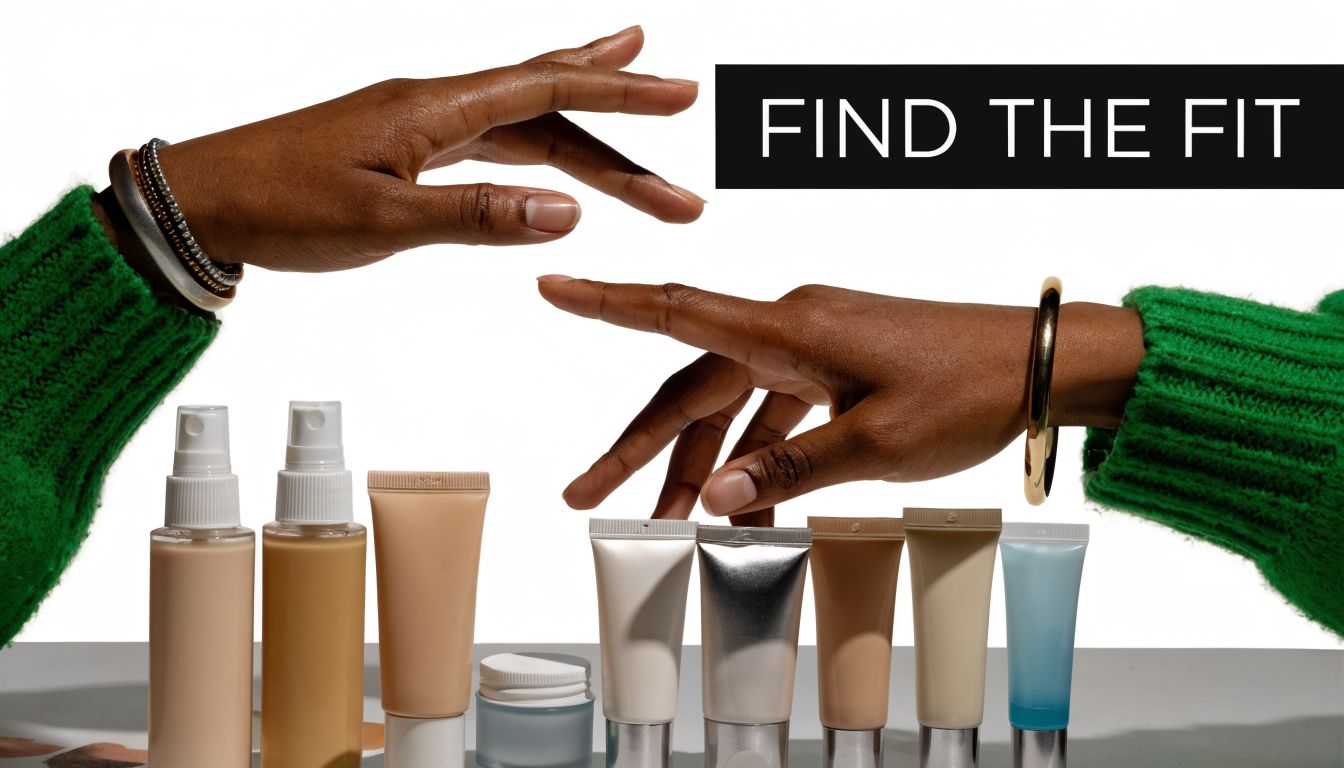
In this scenario, staff need a simple mental grid.
| Skin or concern | Desired result | Best primer direction |
|---|---|---|
| Oily skin | Less shine, steadier wear | Mattifying or soft-dry primer |
| Dry skin | Less clinging, more comfort | Hydrating or creamier primer |
| Combination skin | Control in T-zone, comfort elsewhere | Targeted application, not full-face one-formula use |
| Visible pores or texture | Smoother appearance | Smoothing or pore-focused primer |
| Dull-looking skin | More freshness and light | Illuminating primer |
Targeted application is often underused in retail advice. A customer doesn't have to apply one primer all over the face. Someone may need mattifying support only around the nose and forehead, while preferring a hydrating base on the cheeks.
When primer isn't the right answer
This is where trust is built. A customer wearing only tinted SPF, concealer, or a very light skin tint may not benefit from primer every day.
A key question in the Swiss market is whether primer is necessary for natural-looking routines. For customers using light base makeup, primer is a situational tool, not a universal step, and guiding them on when a good moisturiser or SPF is enough helps avoid over-selling, as reflected in Ulta's primer category framing.
If the customer wants skin to look like skin and wears very little base, a moisturiser or SPF may do the prep work well enough.
That honesty often leads to stronger loyalty than pushing an extra item into the basket.
A staff-friendly consultation script
Try this structure at the counter:
- If the customer says foundation goes shiny or fades fast, guide them towards a mattifying or long-wear primer.
- If the customer says foundation catches on dry patches, guide them towards a hydrating primer and review their skincare prep.
- If the customer says they barely wear base, ask whether they want radiance, comfort, or simplification before recommending any primer.
- If the customer says they dislike heavy-feeling products, offer lightweight or targeted-use options rather than full-face smoothing formulas.
A good primer recommendation should sound less like a sales push and more like a personalized routine edit.
Mastering Primer Application Techniques
Even a well-chosen primer can disappoint if the customer uses too much, layers it too quickly, or mixes formulas that don't sit well together. Staff should be ready to teach application in a way that's easy to remember.
The simple method that prevents most problems
Use this sequence:
- Finish skincare first. Moisturiser and SPF should be allowed to settle before primer goes on.
- Apply a small amount. A pea-sized amount is usually enough for the whole face, and often less is better.
- Use fingertips for most formulas. Fingers help warm and spread the product thinly. A brush can work, but many customers over-apply with one.
- Press or smooth, don't rub aggressively. Too much rubbing can disturb the layer underneath.
- Let it set briefly. If foundation goes on immediately, the layers can mix instead of stacking properly.
That final pause matters more than many customers realise.
How to prevent pilling
Pilling is one of the main reasons customers think a primer “doesn't work”. In reality, pilling usually comes from layering issues.
Common causes include:
- Too much product at one or more steps
- Incompatible textures such as very rich skincare under a grip-heavy primer
- Rushing the routine before each layer settles
- Overworking the base with repeated rubbing
A clear rule for staff to teach is this: keep layers thin, let each one settle, and don't keep massaging once the primer starts to set.
Thin layers beat thick layers. Primer should create a controlled surface, not a tacky buildup.
Best practice for demos in store
If you demonstrate primer on the hand, customers understand texture. If you demonstrate it on part of the face, they understand performance. The second option usually sells better because it shows the effect on pores, shine, or makeup glide where it counts.
For staff training, it helps to describe application in tactile terms. “A light veil”, “a thin film”, and “just enough to change the slip” are easier for customers to follow than technical language.
Selling and Merchandising Primers in Your Store
Primer performs best in stores when it's treated as a solution category, not a side shelf of miscellaneous tubes. The products may be small, but the role is strategic.

Switzerland's beauty and personal care market generated about USD 2.86 billion in 2024, with projected annual growth of 2.11% to 2030, according to Future Market Insights on the Swiss beauty and primer context. That high-spending, premium-oriented environment makes performance-led categories like primer worth merchandising properly rather than treating them as optional extras.
Where to place primers
Placement changes the story the product tells.
- Next to foundation. This works when your staff want to support conversion on complexion products. The primer becomes a performance upgrade.
- Near skincare prep. This works in pharmacy and clean-beauty settings where customers think in routines, not colour categories.
- On problem-solution displays. Group by concern such as shine control, smoothing, hydration, or glow.
The strongest approach in many stores is dual visibility. Keep primer in complexion, but also feature selected SKUs in a prep-focused edit.
Bundles and conversation starters
Primer sells well when linked to a visible use case. Strong bundle ideas include:
- Foundation plus primer for customers who want smoother wear
- Primer plus setting powder for oily-skin shoppers
- Hydrating primer plus skin tint for natural-finish routines
- Pore-focused primer plus blur-style foundation for event makeup
The language staff use matters just as much as the display.
Try these opening lines:
- “How does your foundation usually look after a few hours?”
- “Do you want more glow, more grip, or less shine?”
- “Are you looking for a full-routine step, or just help in one area?”
Those questions feel advisory, not transactional.
How to sell without over-selling
The best primer teams don't recommend it to everyone. They recommend it when there's a clear fit. That restraint increases credibility, especially in Swiss pharmacy environments where customers often value expertise over enthusiasm.
A useful store rule is this: if staff can't name the specific problem the primer solves for that customer, they shouldn't add it to the basket.
That discipline improves recommendation quality, reduces returns driven by misuse, and makes the category easier for customers to trust.
Swiss retailers, pharmacies, and premium beauty partners that want clean, ethically sourced, high-performance assortments can explore customized brand support through beautysecrets.agency. Their Swiss-focused portfolio helps trade partners build differentiated beauty ranges with strong certification standards, premium positioning, and practical sell-through potential.