If you're running a Swiss pharmacy, spa, or premium beauty shop, Mother's Day often arrives with a familiar problem. The footfall is there, the intent is there, and yet too many retailers still treat the moment like a generic gifting weekend. A ribbon on a random cream, a hurried window display, a small discount, and hope that sentiment will do the selling.
That approach leaves money on the table.
Mother's day gifts work best when they feel selected, not assembled. In a Swiss market where customers are already alert to ingredient quality, provenance, and certifications, the commercial opportunity sits in curation. Not more SKUs. Better combinations. Not louder promotion. Sharper positioning. Not price cutting. Higher perceived value.
That matters even more in pharmacies and spas, where trust already exists. You’re not competing with a supermarket display of boxed chocolates. You’re competing with every other premium retailer trying to win the customer who wants to give something thoughtful, refined, and easy to justify.
The strong campaigns tend to share four traits. They choose a tight assortment. They package products into stories customers can understand fast. They protect margin through value-adds rather than blunt discounting. And they execute early enough to capture the pre-peak gifting window without scrambling on the final weekend.
The brands many Swiss buyers respond to already lend themselves to this strategy. Abahna gives you ritual. Fushi gives you ingredient credibility. JULISIS gives you an elevated alchemical narrative. Les Thermes Marins de Saint-Malo gives you marine spa authority. Little Butterfly London gives you a luxury organic option for new mothers. Egyptian Magic gives you an easy, cross-generational hero product that nearly anyone can understand in seconds.
Introduction Beyond Flowers and Chocolates
For most retailers, Mother’s Day sits awkwardly in the Q2 calendar. It isn’t as operationally heavy as Christmas, but it still demands planning. It isn’t a pure beauty event, but beauty often performs well inside it. And because almost everyone stocks “something for Mum”, weak campaigns start to look interchangeable very quickly.
That’s where Swiss businesses have an advantage if they use it properly.
A pharmacy can sell reassurance. A spa can sell restoration. A clean beauty boutique can sell discernment. Those are stronger positions than “gift ideas under a certain price”. They also fit the way premium customers shop. They want to feel that the product is safe, well chosen, and worth presenting as a meaningful gift.
The shift needed is to stop thinking about mother's day gifts as seasonal stock and start treating them as story-driven retail offers. A single hero balm can become a recovery ritual. A marine treatment set can become a weekend-at-home spa concept. A mother-and-baby line can become a thoughtful purchase for a new parent rather than a generic baby shower item.
Practical rule: If the customer needs more than a few seconds to understand why the gift matters, the merchandising is too vague.
Swiss retailers also need discipline. Too much choice kills gifting momentum. Too many price-led messages flatten premium brands. Too much reliance on “best seller” language makes every product sound the same. The businesses that win this period usually make selection easier, not broader.
The sensible play is to build a compact assortment around certified natural and ethically sourced lines, then turn those products into clear giftable propositions. Done well, that lifts revenue during the season and improves how customers remember your business after the event. A good Mother’s Day campaign doesn’t just move stock. It teaches customers what kind of retailer you are.
Selecting Your Core Mother's Day Assortment
The mistake most businesses make first is buying too wide. They assume Mother's Day demands variety, so they bring in too many small options, too many scents, and too many loosely related products. The result is a cluttered fixture and hesitant customers.
A tighter edit sells better.
In Switzerland, 68% of consumers prioritise eco-certified cosmetics, and Swiss pharmacy sales of natural skincare rose 22% year on year during Mother's Day 2025, which makes a strong case for centring your assortment on certified and ethically sourced beauty rather than novelty gifting (Swiss gifting and natural skincare trends).

Build around hero SKUs, not catalogues
A good Mother’s Day assortment usually needs four roles:
| Role | What it does | Best fit from the portfolio |
|---|---|---|
| Universal hero | Gives staff an easy recommendation | Egyptian Magic |
| Sensory ritual | Adds gifting theatre | Abahna |
| Ingredient-led care | Appeals to label readers | Fushi |
| Premium specialist | Supports higher-ticket gifting | Little Butterfly London, JULISIS, Les Thermes Marins de Saint-Malo |
This isn’t about limiting choice for the sake of it. It’s about making every product do a specific commercial job.
Egyptian Magic is your easiest entry point. It works when the customer says, “I need something lovely, useful, and not too complicated.” Multipurpose products convert because they reduce decision anxiety. The customer can imagine immediate use. Dry hands, cuticles, elbows, overnight skin comfort. No long consultation required.
Abahna works differently. It’s for the customer who wants the gift to feel ceremonial. Bath oils, washes, and body products help you sell an atmosphere, not just skincare. That matters in-store because ritual products create visual merchandising opportunities. They also work well in spas and hotel boutiques where ambience already influences the sale.
Match each brand to a buying mindset
Fushi belongs in the assortment when you want ingredient credibility to carry the sale. Fresh-pressed oils and herb-led formulations give pharmacists and trained advisers something concrete to discuss. Customers who ask where ingredients come from or how products are processed rarely want a huge set. They want one or two products with a clear rationale.
Little Butterfly London sits in a more specialised lane. It’s ideal for the daughter buying for a new mother, the partner buying something high-quality and safe-feeling, or the customer who wants luxury without harshness. It also gives your team a refined answer to a common gifting problem. “She’s just had a baby. I want something beautiful but appropriate.”
JULISIS and Les Thermes Marins de Saint-Malo belong at the top end. JULISIS offers a distinctive alchemical story that works especially well with skincare enthusiasts who already know the mainstream prestige brands and want something less obvious. Les Thermes Marins de Saint-Malo gives you the marine wellness angle, which is especially useful in spa and hotel environments where sensorial efficacy matters.
Don’t ask every SKU to serve every customer. Assign each product a role, train your team on that role, and let the range stay disciplined.
What to leave out
The biggest drag on Mother’s Day sell-through is the “maybe” product. That usually means:
- Single-purpose items with weak shelf stories that need too much explanation.
- Products in dated packaging that don’t look giftable without heavy wrapping.
- Ranges with no certification or provenance language when your customer clearly cares about trust.
- Low-margin filler lines added only to create the illusion of abundance.
You’re better off showing fewer products with stronger context. If a shopper can compare three clear gifting routes, they buy faster. If they face fifteen loosely arranged options, they postpone the decision or default to a cheaper alternative elsewhere.
A useful cross-category lesson comes from expert tips for jewelry retailers. Jewellery sellers often outperform when they curate around emotional meaning rather than overwhelming buyers with inventory. The same principle applies here. A compact gift story beats a crowded shelf.
A practical starter edit
If you want a commercially sensible first assortment, start with:
- One universal balm such as Egyptian Magic.
- One bath-and-body ritual line from Abahna.
- One treatment-led oil or care product from Fushi.
- One premium facial or body option from JULISIS or Les Thermes Marins de Saint-Malo.
- One mother-and-baby luxury line from Little Butterfly London.
That mix gives your team enough breadth to serve gifting occasions without creating operational drag. It also gives you a credible answer for customers shopping by budget, by skin need, or by values.
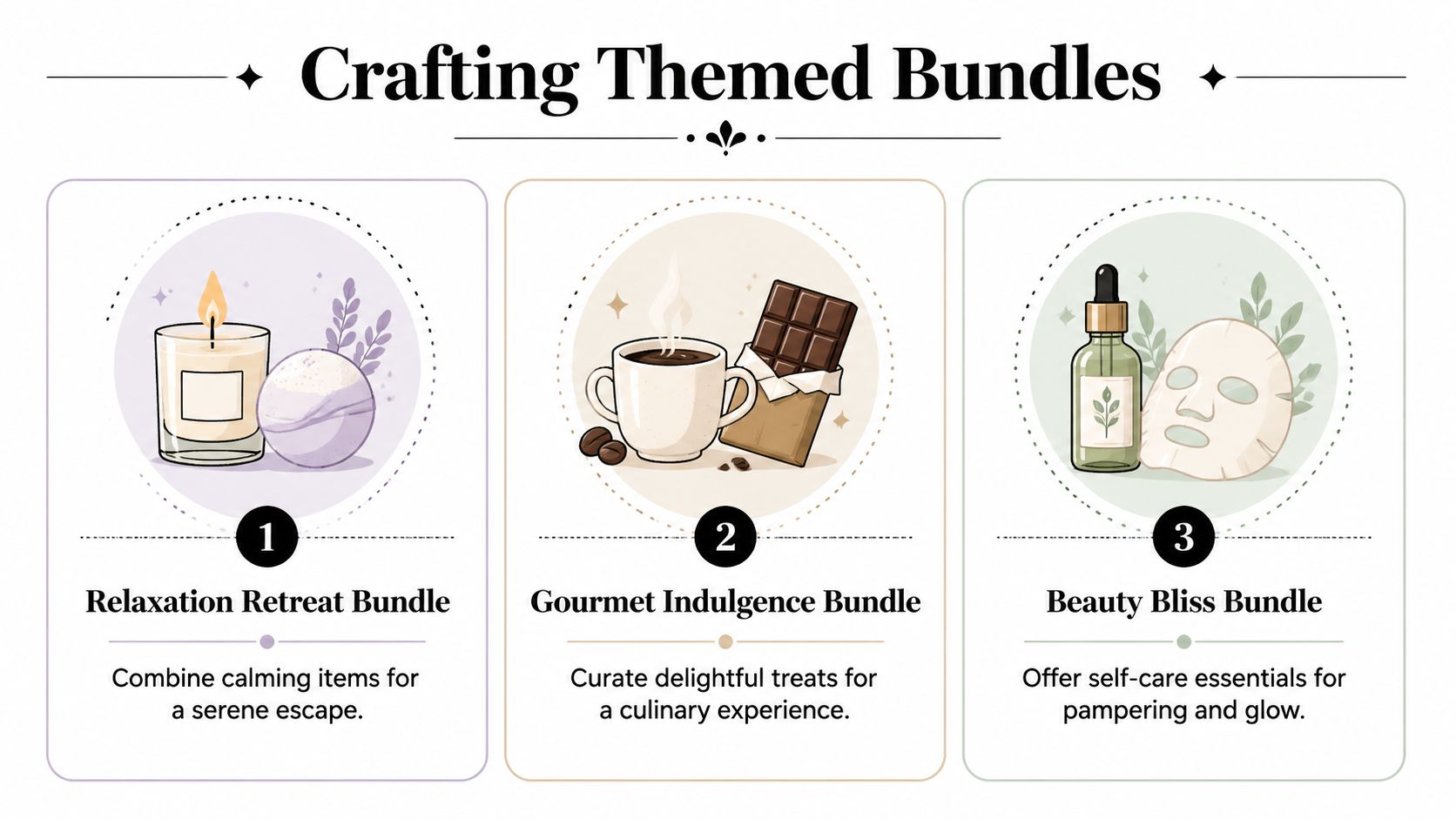
Crafting Themed Bundles That Tell a Story
Single products are easy to stock. Bundles are what make mother’s day gifts memorable. They also give you more control over margin, presentation, and staff recommendations.
The key is to stop bundling by category and start bundling by life situation. Customers don’t walk in asking for “three compatible SKUs.” They ask for something for a tired mother, a stylish mother, a new mother, or a woman who never buys herself anything.
Swiss data shows 15% growth in spa cosmetics sales and 31% unmet demand for cruelty-free Mother’s Day bundles, which supports building packages around marine actives and vegan-friendly or cruelty-free options such as Les Thermes Marins de Saint-Malo and Egyptian Magic (Swiss spa and cruelty-free gifting demand).
The mother who needs recovery
This customer usually isn’t shopping for glamour. She’s shopping for relief. Often it’s a daughter buying for a mother who’s overworked, a partner buying late, or a customer who says, “She won’t spend on herself.”
The strongest fit here is a Marine Spa Ritual.
Bundle logic
- Les Thermes Marins de Saint-Malo hero product
- Egyptian Magic as the practical rescue item
- Optional spa voucher or treatment add-on if you operate a spa
The story is simple. Recovery, comfort, and visible care. Marine products bring professional spa language into the offer, while Egyptian Magic keeps the set grounded in daily usefulness.
What works:
- Pairing one sensorial product with one practical staple
- Naming the bundle around a result or experience
- Wrapping in a clean, understated style rather than floral clichés
What doesn’t:
- Overloading the set with too many body products
- Mixing strong fragrance stories that compete
- Positioning it as “anti-ageing only”, which can feel tone-deaf in a gift context
A good bundle should answer one emotional need clearly. If it tries to be relaxing, repairing, glamorous, and clinical all at once, it becomes generic.
The skincare enthusiast who wants something distinctive
This customer has already seen the mainstream luxury counters. She doesn’t want a supermarket basket with tissue paper. She wants discernment.
The Alchemical Glow bundle earns its place.
A practical recipe might include a JULISIS product as the centrepiece and a Fushi oil as the supporting product. JULISIS gives the gift authority and mystique. Fushi adds a grounded, ingredient-forward companion that helps the bundle feel intentional rather than decorative.
Use this bundle for:
- Boutique retail
- Premium pharmacy counters
- E-commerce gifting pages aimed at “for the woman who knows skincare”
Merchandising matters here. Don’t drown the bundle in copy. Let the packaging carry some of the premium feel, then support it with concise language on provenance, ritual, and skin comfort.
A useful reference point outside beauty is Get Spliced's guide to thoughtful gifts. The strongest gift ideas in that piece work because they feel considered and personal. That’s the standard beauty bundles need to meet too.
The new or expecting mother
This is one of the easiest gifting niches to mishandle. Retailers often go too baby-led, too sugary in tone, or too functional. The better route is to keep the mother in focus and let the baby-safe or family-safe element support the decision.
The most elegant format is The Pure Start.
| Bundle name | Best brand pairing | Who buys it | Why it works |
|---|---|---|---|
| The Pure Start | Little Butterfly London + Fushi | Partners, friends, daughters | Balances luxury with gentle care |
| The Marine Spa Ritual | Les Thermes Marins de Saint-Malo + Egyptian Magic | Adult children, husbands, spa clients | Feels restorative and useful |
| The Alchemical Glow | JULISIS + Fushi | Skincare enthusiasts | Feels elevated and specialist |
Little Butterfly London gives you a refined organic option with a mother-and-baby positioning that doesn’t feel clinical. Fushi can add a wellness layer if selected carefully. The tone should be supportive and grown-up. Think “restorative care for her”, not “cute baby present”.
Packaging decisions that improve sell-through
Bundling is only half the job. Presentation decides whether the customer sees a gift set or a pile of products.
Use these rules:
- Keep colours coherent. If the products clash visually, the set won’t read as premium.
- Name every bundle. Names sell faster than descriptions.
- Write one-line shelf language. Customers scan before they ask.
- Include one hero and one support item. More isn’t always better.
- Offer optional upgrades. A robe, voucher, or handwritten card service can boost perceived value without changing the core set.
One more practical point. Themed bundles give staff confidence. A team member can say, “This is the set we recommend for a new mum,” instead of improvising under pressure. That consistency matters most on busy gifting weekends, when speed and clarity drive conversion.
Pricing for Profit and Perceived Value
The fastest way to weaken premium mother’s day gifts is to discount too early. Retailers do it because it feels safe. If demand feels uncertain, price cuts appear to remove friction.
In practice, blanket discounting often creates three problems. It trains customers to wait. It shrinks margin on products that could have sold at full value. And it makes certified, story-rich brands look interchangeable with commodity gift sets.
Use structure, not discounts
A better pricing model is tiered bundling. Give customers a clear entry point, a richer middle option, and one top-tier gift. That lets the buyer self-select according to budget without forcing you into defensive price messaging.
For pharmacies and boutiques, the tiers usually work like this:
- Entry gift with one hero item and polished packaging
- Core gift with a hero plus one complementary product
- Premium ritual with two or more coordinated products, possibly with a service element
The point isn’t to create artificial luxury. The point is to organise value. Customers often spend more when the step-up is visible and easy to justify.
Commercial view: A gift with stronger presentation and better pairing often feels worth more than a discounted basket with extra filler.
Value-add promotions preserve brand equity
If you need a promotional trigger, add value instead of cutting the shelf price.
A pharmacy might include a travel-size oil with a qualifying skincare purchase. A spa might add tea service, a mini hand treatment, or a gift card sleeve. An e-commerce partner might offer premium wrapping or a message card. These offers maintain the premium frame of the purchase.
They also support upselling more naturally. The customer doesn’t feel they’re buying on sale. They feel they’re receiving a more complete gift.
Price the story, not just the units
A common mistake in gifting is calculating price only from cost of goods and then adding a standard margin. That misses the role of editing, packaging, and positioning.
Consider the differences:
| Pricing approach | Customer reaction | Margin impact |
|---|---|---|
| Simple product sum | Feels transactional | Often weaker |
| Discounted bundle | Feels cheaper, not always better | Margin pressure |
| Story-led gift set with value-add | Feels curated and premium | Usually stronger |
Spas have an extra advantage here. They can attach an experience to the product. A marine skincare set paired with a treatment voucher feels categorically different from a boxed retail sale. Pharmacies can do a version of this too by attaching a skin consultation, a sampling moment, or a guided recommendation card.
Where retailers go wrong
The weak pricing habits are predictable:
- Discounting the hero SKU first, which destroys the anchor for the rest of the assortment.
- Building bundles with dead stock, which customers sense immediately.
- Offering too many price points, which creates indecision.
- Ignoring packaging costs, then discovering the “gift set” was less profitable than a regular sale.
The discipline is simple. Protect the hero products. Build bundles with real coherence. Charge for curation indirectly through stronger perceived value. If customers trust your taste, they won’t expect every Mother’s Day gift to come with a markdown sticker.
Designing Your In-Store and Digital Shelf
A strong assortment can still fail if the presentation looks improvised. Mother’s Day shoppers aren’t browsing in the same way they browse everyday skincare. They’re scanning for confidence. They want signs that say, in effect, “this is appropriate, elegant, and easy to give.”
That’s why the shelf needs to do more than display products. It has to reduce decision time.
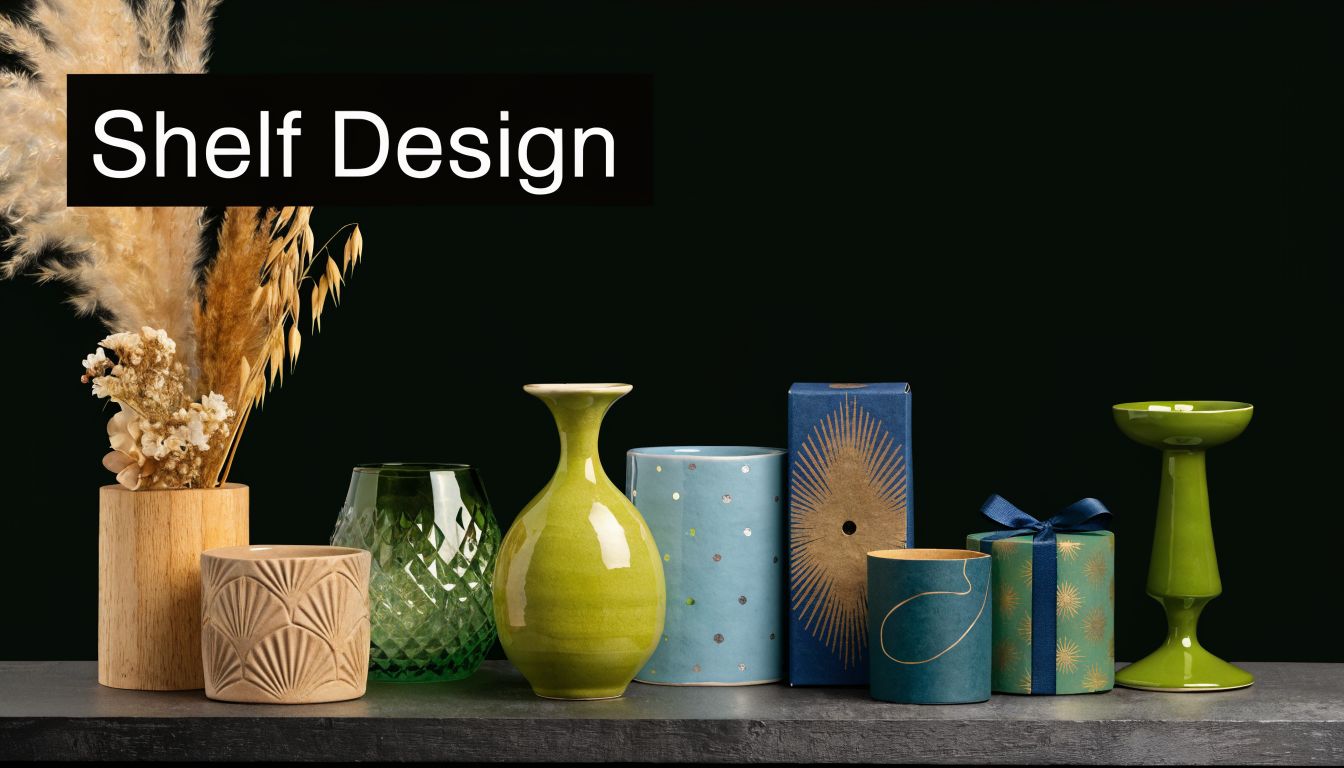
Create one gifting zone, not scattered product islands
In-store, dedicate a single gifting station. Don’t split Mother’s Day stock across facial care, body care, and till-point impulse shelves unless each location serves a clear purpose. Fragmentation makes the offer feel accidental.
The station should include:
- clearly built bundles
- one or two open testers where suitable
- concise signage on certifications and key brand stories
- packaging options visible at the point of decision
For pharmacies, keep the language clean and factual. For spas, lean further into sensorial and ritual-led cues. For boutiques, make aesthetic coherence the main visual discipline.
What helps most is grouping by gifting intention, not by technical category. “For new mothers”, “for deep relaxation”, “for refined skincare lovers” is easier to shop than “oils”, “balms”, and “body care”.
Write shelf copy people can use quickly
Customers don’t read shelf talkers like brochures. They read them like prompts. Good copy should answer one of these questions:
- Who is this for?
- Why is it special?
- Why should I trust it?
- What does the gift feel like?
A poor sign says: “Luxury body collection with botanicals.”
A better sign says: “A calming bath-and-body ritual for the mother who needs an evening to herself.”
That shift sounds small, but it changes the sale. It moves from product description to gift meaning.
Keep every physical sign short enough that a customer can absorb it while standing, holding a handbag, and making a decision in under a minute.
Bring the brand story online properly
Digital shelves need similar discipline. Too many e-commerce stores add a Mother’s Day category and stop there. A category page is not a campaign.
Build a dedicated landing page with:
- featured bundles first
- short story-led headlines
- certification cues in visible positions
- clear gifting filters such as “new mum”, “spa ritual”, or “understated luxury”
- service cues such as gift wrapping, message card, or digital voucher
Product pages should also change tone slightly during the season. The copy can still remain accurate and polished, but the framing should acknowledge gifting use. That means highlighting presentability, ease of recommendation, and who the set suits best.
For retailers using QR codes in-store, the codes should lead to a concise landing page or short-form content about rituals, ingredients, or brand origins.
A short video can help if you keep it practical and polished:
Details that lift trust
The best performing displays usually include trust signals without clutter.
| Shelf element | Why it matters |
|---|---|
| Certification mention | Reassures the values-led buyer |
| Tester or texture cue | Reduces hesitation |
| Named bundles | Speeds up decision-making |
| Gift wrap shown physically | Makes the purchase feel ready |
| QR link to brand story | Extends shelf space digitally |
Retailers often overestimate how much product knowledge customers want before buying and underestimate how much reassurance they need. A clean, well-edited gifting shelf says your business has already done the hard work of choosing. That’s what people are paying for.
A Go-To-Market Calendar for Maximum Impact
Most Mother’s Day campaigns don’t fail because the products are wrong. They fail because the timing is vague. Retailers launch too late, communicate too generically, or push every message in the final few days when customers are already overloaded.
Swiss e-commerce data gives a much clearer rhythm. Orders for certified organic beauty lines surge 45 to 55% between May 1 and 5, then peak at 75% above baseline on May 8 to 10, which means your online campaign has to be live, visible, and conversion-ready before the final rush begins (Swiss e-commerce timing for Mother’s Day beauty sales).
Four weeks out
This is your preparation and soft-launch phase. Don’t lead with urgency yet. Lead with discovery.
Your jobs here are operational and editorial:
- finalise bundles
- photograph them properly
- prepare display materials
- train staff on each bundle story
- draft the landing page and email sequence
The message at this stage should feel selective. “Our Mother’s Day edit is arriving” works better than “shop now before it’s gone” when the customer isn’t ready to buy.
For social, focus on teaser content:
- close-up product shots
- packaging previews
- brand-origin snippets
- “who it’s for” reels or carousel posts
In-store, brief the team with simple recommendation scripts. A staff member should be able to say, “If she loves baths, start with Abahna. If she prefers practical skincare, Egyptian Magic is the easiest recommendation. If you want a more premium facial gift, consider JULISIS.”
Two to three weeks out
This is the persuasion window. Your audience is now open to considering options, comparing retailers, and asking themselves what feels thoughtful enough.
Use email and social to sort gifts by recipient type rather than by product family. For example:
- for the mother who needs rest
- for the new mum
- for the skincare connoisseur
- for the elegant minimalist
That framing does two things. It helps the customer self-identify fast, and it gives your team a consistent retail language across channels.
A useful weekly pattern looks like this:
| Week | Main message | Best channels |
|---|---|---|
| Week 4 | Early preview and bundle reveal | Email, Instagram, in-store signage |
| Week 3 | Storytelling and recipient-led edits | Email, Instagram carousels, staff conversations |
| Week 2 | Bestsellers and service convenience | Email, paid social if used, homepage |
| Final days | Urgency and easy gifting solutions | Email, Stories, till-point prompts |
The critical sales window
When the early-May surge begins, stop trying to educate too broadly. The customer now wants clarity, availability, and convenience.
Your messages should become sharper:
- “Ready-to-gift natural skincare sets”
- “Cruelty-free Mother’s Day picks”
- “Elegant gifts for the mum who has everything”
- “Last-minute, still thoughtful”
For e-commerce, simplify the page. Feature the strongest bundles at the top. Show wrapping options clearly. If digital vouchers are available, make them impossible to miss.
For physical retail, shift the front-of-store offer toward quick confidence. Bring the top bundles closer to the entrance or till zone. Add a sign that makes selection easier, such as “Our most gifted Mother’s Day rituals”.
The final shopping period is not the time for an encyclopaedia of your range. It’s the time for a narrow edit and frictionless fulfilment.
Staff language matters more than people think
On gifting occasions, some teams become either too passive or too technical. Both hurt sales. The best staff prompts are short and human.
Good in-store questions:
- “Are you shopping for a mother who enjoys spa rituals or practical skincare?”
- “Would you like something ready boxed, or would you prefer to build a gift?”
- “Is she drawn to gentle natural care, or something more treatment-led?”
Weak questions:
- “Can I help you?”
- “What skin type does she have?”
- “Do you know this brand already?”
The first set invites decision-making. The second set can create pressure or uncertainty.
Final days without looking desperate
Late buyers still want dignity. They don’t want to feel punished for leaving it late.
So your closing messages should offer rescue without sounding chaotic:
- “Still time to choose well”
- “Ready-to-gift sets available in-store”
- “Digital gift options for thoughtful last-minute gifting”
This is also the moment for pharmacies and spas to use service as differentiation. Gift wrapping, quick recommendations, digital vouchers, and elegant bag presentation all matter more in the closing phase than long educational content.
The retailers who execute this calendar well don’t just catch demand. They shape it. They show up at the right moment with the right level of detail, then reduce friction as purchase intent rises.
Conclusion Turning a Seasonal Spike into Lasting Loyalty
A strong Mother’s Day campaign should do more than deliver a short sales lift. It should introduce new customers to your standards.
That’s the upside for Swiss pharmacies, spas, and premium beauty retailers. A customer who buys one carefully chosen gift set now may come back later for her own skincare, a repeat balm purchase, a treatment booking, or advice she trusts. Seasonal gifting creates permission to trial your business. What happens next depends on how well you capture and continue the relationship.
The best follow-up is simple and respectful. Offer newsletter sign-up at the point of sale with a clear benefit such as skincare guidance, seasonal gifting edits, or first access to new launches. Send post-purchase emails that feel useful rather than automated. A short message on how to use a face oil, how to layer a balm, or how to build an evening bath ritual keeps the conversation alive without forcing a sale.
The commercial pattern is consistent. Curate tightly. Bundle around a story. Price for value, not panic. Merchandise clearly. Launch early enough to meet the buying window. Then use the campaign to earn repeat trust.
Mother’s day gifts are often treated as soft retail. They shouldn’t be. In the right hands, they are a high-intent moment that lets a business demonstrate taste, credibility, and service under real buying pressure. That’s exactly when customers decide whether you’re just another stockist or a retailer worth returning to.
If you want support building a sharper Mother’s Day offer for your pharmacy, spa, or premium beauty store, beautysecrets.agency can help you shape a certified natural assortment, select the right giftable brands, and turn seasonal demand into a more distinctive retail proposition.