You’re probably looking at an eye cream shelf that has become crowded, repetitive, and oddly hard to grow. One jar says “firming”, another says “brightening”, a third says “cooling”, and half of them claim to do everything at once. The result isn’t clarity. It’s category noise.
For Swiss pharmacies, spas, clinics, and premium retailers, the question isn't only which is the best eye cream. The better question is which assortment strategy gives customers a reason to trust your recommendation, return for repeat purchase, and choose your business over a larger but less curated competitor.
That matters because eye care sits at the intersection of visible results, sensitivity, ritual, and price scrutiny. Customers notice the eye area first. They also notice quickly when a product feels too harsh, too greasy, too weak, or badly matched to their routine. Retailers who understand those trade-offs build a stronger category than those who merely stock the most recognisable names.
The Eye Cream Opportunity in the Swiss Market
At 9 a.m., a Zürich pharmacy can see three very different eye cream shoppers before the first quiet hour. One wants a cleaner alternative to her usual premium brand. One needs a lighter texture that sits well under concealer and sunscreen. One is willing to pay more, but only if the product feels credible, ethical, and clearly matched to a real concern. That is why this category deserves tighter buying discipline than a generic anti-ageing shelf.
For Swiss retailers, eye cream works best as a precision category. Customers accept a higher price per millilitre here than they do in many face care segments, but they also judge performance faster. Texture, tolerance, and visible comfort matter early. A poor match leads to disappointment quickly. A good match often leads to repeat purchase, attachment to the brand, and stronger confidence in the wider skincare assortment.
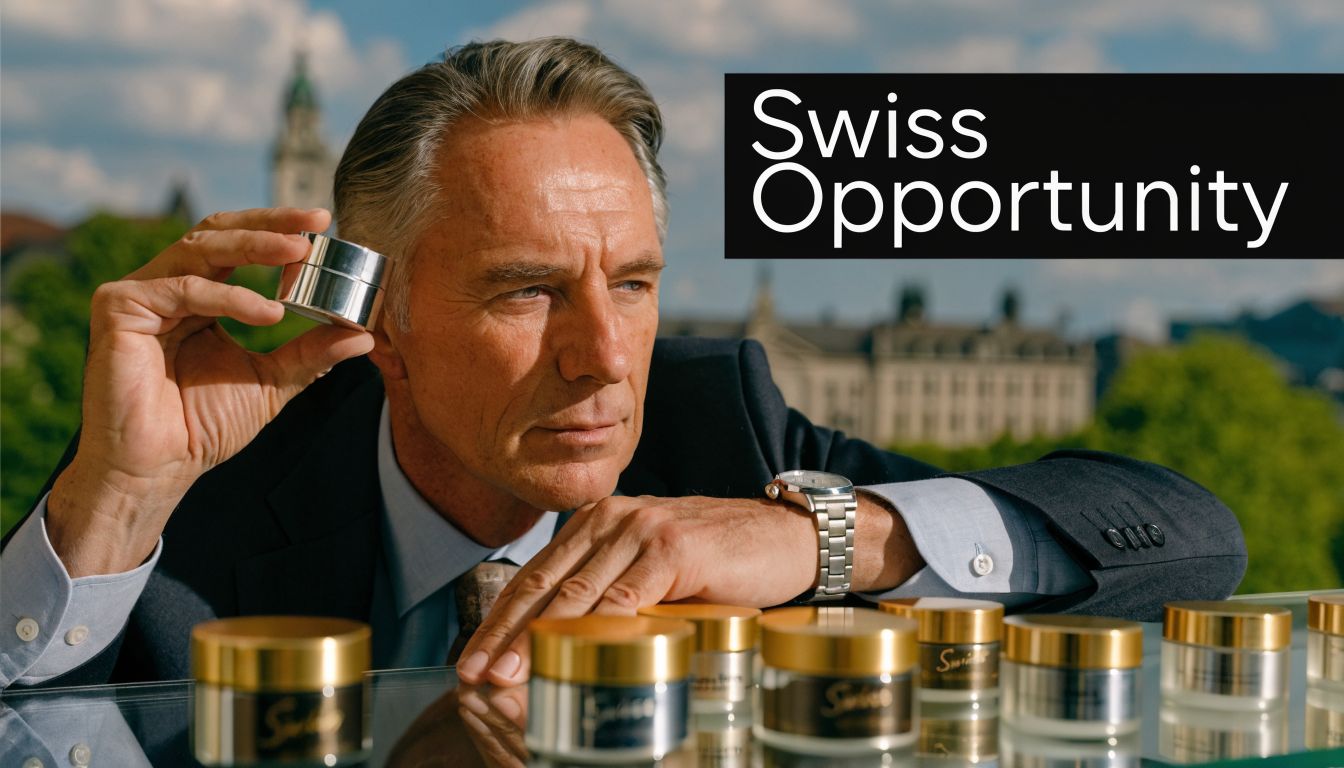
The commercial case is strong even without overcrowding the shelf with lookalike claims. Eye care sits in a profitable space between treatment and ritual. In our work at beautysecrets.agency, the retailers that grow this segment tend to avoid broad duplication. They build around use case, skin tolerance, ethical standards, and texture preference. That gives staff a clearer recommendation path and gives the customer a reason to trust the assortment.
Why broad selection often underperforms
A larger range can weaken sales if the products are too similar.
In eye care, over-assortment usually creates three predictable retail problems:
- Staff hesitation: Teams fall back on packaging claims because the differences between SKUs are not clear enough to explain.
- Customer indecision: Shoppers compare price and volume instead of choosing by need, which compresses margin and slows conversion.
- Shelf sameness: Your offer starts to resemble every premium beauty wall in the canton, with little reason to buy from you instead of a chain or marketplace.
A tighter selection often performs better if each product has a defined role. One can cover dehydration and sensitivity. One can target puffiness and daytime freshness. One can serve richer night care. One can answer the customer who wants a more sensorial, premium ritual without compromising ingredient standards.
Practical rule: A strong eye cream category gives each SKU a job, a customer type, and a selling point your team can explain in one sentence.
What Swiss buyers respond to
Swiss buyers tend to respond well to assortments that combine efficacy with restraint. They do not need ten products that all promise smoothing. They respond better to ranges that explain why a formula is gentle enough for the eye contour, why the texture suits local routines and seasonal dryness, and why the brand’s sourcing or certification standards deserve a premium position.
That is especially relevant in Switzerland, where climate shifts, indoor heating, mountain exposure, and high expectations around product quality all shape purchasing behaviour. In practice, this means natural eye creams need more than a clean label. They need credible performance, low-irritation design, and packaging and brand values that hold up under scrutiny from pharmacists, aestheticians, and informed consumers.
For premium natural retail, the strongest assortments are usually built on four commercial filters: targeted function, proven tolerance, credible ethical positioning, and a clear in-store story. Those filters help buyers reduce duplication, protect margin, and build an eye care shelf that feels selected rather than merely stocked.
Decoding Customer Concerns Around the Eyes
Customers rarely walk in asking for an ingredient. They ask for help with what they see in the mirror. Usually that falls into three buckets: dark circles, puffiness, and fine lines or wrinkles. Staff who can separate those concerns quickly tend to recommend more accurately and deal with fewer disappointed returns.
The eye area creates confusion because different problems can look similar at first glance. A shadow can be pigment, visible blood vessels, hollowing, or simple dehydration. A “bag” can be morning fluid retention or a structural concern that topical skincare will only soften, not erase.
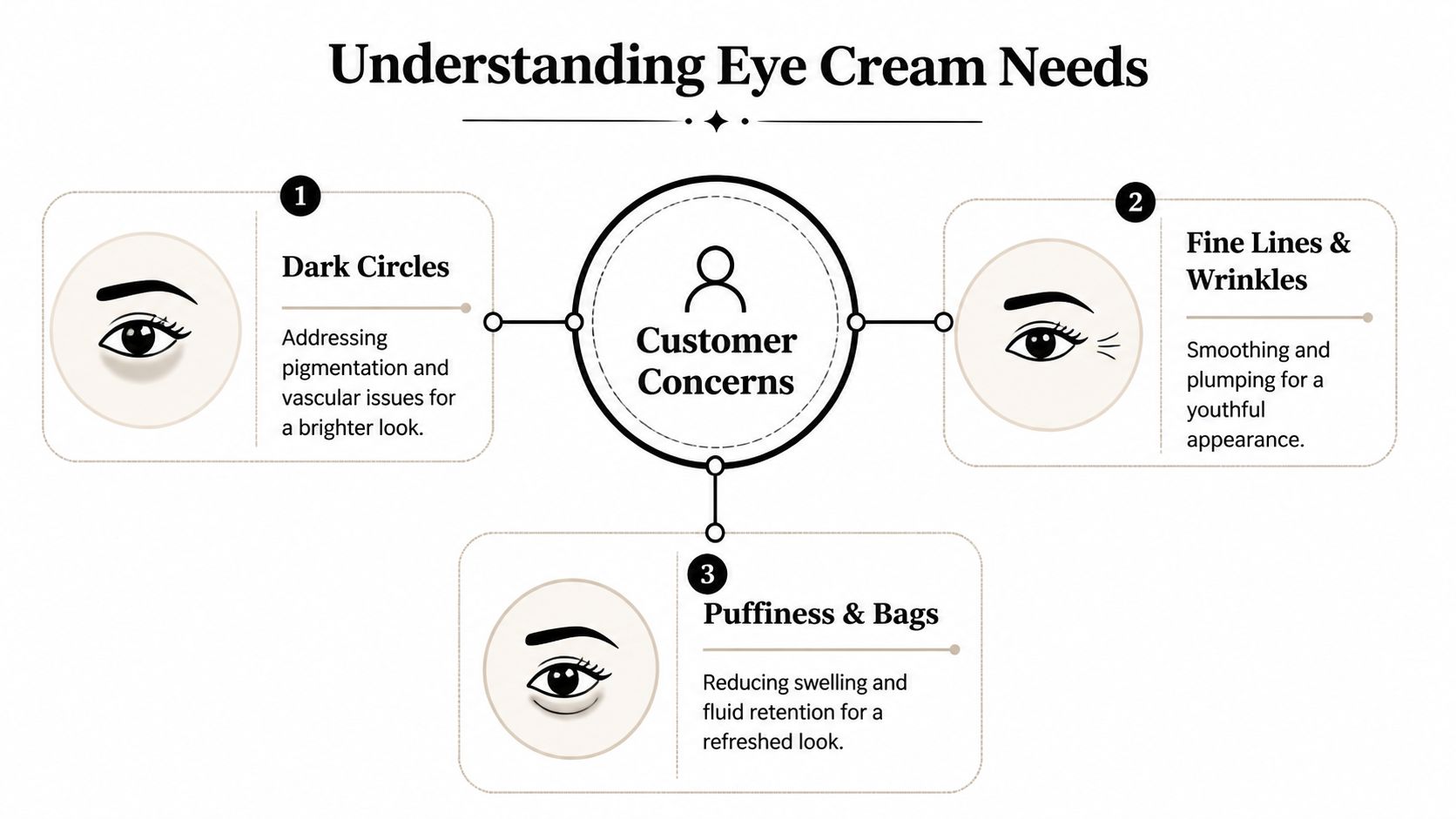
Dark circles aren't one single issue
Dark circles are often treated as one category, but staff should think in at least two ways.
Vascular-looking circles tend to appear bluish, purple, or tired-looking. They often look worse after poor sleep, stress, or irritation. A simple analogy helps on the shop floor: think of them as a visible traffic build-up under very thin skin.
Pigmented circles usually look more brown or uneven in tone. These customers often ask for “brightening” and may also mention sun exposure or post-inflammatory marks.
Useful consultation prompts include:
- Ask when it looks worst: Morning, evening, after travel, or all the time.
- Ask what colour they notice: Blue-toned and brown-toned complaints point in different directions.
- Ask whether dryness is part of the problem: Dehydration can make shadowing look stronger.
Puffiness needs timing questions
Puffiness is another area where diagnosis matters. If swelling is strongest on waking and improves during the day, fluid retention is often part of the story. If the fullness is persistent, the customer may still benefit from skincare, but expectations should be framed more carefully.
Retail staff don’t need to sound clinical. They need to sound observant. Ask what time of day the concern is most visible and whether the person wants a cooling morning product or a more nourishing treatment.
A practical way to explain puffiness is this: some under-eye fullness behaves like temporary water movement, while some behaves more like a fixed cushion. Topical products are usually better at addressing the first than the second.
If the concern changes noticeably from morning to afternoon, recommend for fluid management and comfort. If it barely changes, recommend for texture, hydration, and visual softening.
Fine lines and wrinkles need distinction too
Not all lines around the eyes behave the same way.
Some are dynamic lines. They appear mainly when a customer smiles or squints. Others are static lines. They remain visible even at rest and usually come with dryness, thinning skin, or a rougher surface texture.
That distinction matters because customers often misread dehydration lines as “deep ageing”. In retail terms, many people first need water-binding hydration and barrier support, not the strongest anti-ageing active you can put on shelf.
A simple three-question diagnostic
For staff training, keep the opening short and repeatable:
- What’s your main concern around the eyes right now?
- What have you already tried, and what didn’t you like about it?
- Do you prefer a light gel, a classic cream, or something richer at night?
Those three questions do two things. They identify the visible concern, and they uncover texture tolerance. Both matter.
| Concern seen by customer | What staff should clarify | Recommendation direction |
|---|---|---|
| Dark circles | Blue-toned, brown-toned, constant, or worse with fatigue | Brightening, soothing, hydrating, or de-puffing support |
| Puffiness | Morning-only or persistent | Cooling textures, massage-friendly formulas, lighter daytime use |
| Fine lines | Only when expressive or visible at rest | Hydration, barrier support, smoothing actives, richer night care |
Anatomy of a High-Performance Natural Eye Cream
A customer stands at the shelf in January in Zurich. They want one product that will sit well under concealer, calm tight winter skin, and still feel ethical enough to justify a premium price. That buying moment is where a retailer either wins the category or loses it to a generic online comparison.
A high-performance natural eye cream earns its place by doing a specific job well. Swiss partners get better results when they assess formulas by barrier support, texture tolerance, finish, and ingredient credibility, not by broad anti-ageing language on the carton. In practice, the strongest premium assortments combine proven skin-supportive ingredients with botanicals or marine actives that give the product a clear point of difference.
Hydration and barrier support first
Under-eye skin fails visibly before it fails dramatically. Fine dehydration lines show up sooner. Makeup catches on rough texture. Customers describe the area as tired, older, or irritated, even when the main issue is low water content and a weakened barrier.
For that reason, hyaluronic acid and ceramides deserve shelf space in any serious eye care range. Earlier evidence cited in this guide supports their role in improving hydration, comfort, and the look of periorbital lines. For retail partners, the commercial lesson is simple. Hydration is not a low-tier claim in eye care. It is often the base condition that makes smoothing, brightening, and firming claims feel credible after purchase.
I usually advise buyers to check the whole support system around those hero ingredients. A better formula pairs humectants with lipids, film-formers, and a texture that stays where it is applied. On the eye contour, elegant delivery matters as much as ingredient recognition.
Ingredients that match visible concerns
Customers shop eye cream by what they see in the mirror. Buyers should stock formulas that map cleanly to those concerns.
| Customer Concern | Key Conventional Ingredient | Effective Natural Alternative | What buyers should look for |
|---|---|---|---|
| Puffiness | Caffeine | Soothing plant extracts, hydrosols, cooling gel systems | Light textures, quick absorption, low migration |
| Pigmented-looking dark circles | Vitamin C derivatives | Antioxidant-rich botanicals and tone-evening plant extracts | Daily-use tolerance and realistic brightening claims |
| Fine lines and texture | Retinoids | Bakuchiol | Gentle smoothing support suited to frequent use |
| Dehydration and crepiness | Hyaluronic acid | Plant oils combined with humectants | Water binding plus surface softening |
| Barrier weakness and sensitivity | Ceramides | Lipid-rich botanical oils and balms | Comfort, low fragrance, strong tolerance profile |
| Loss of firmness | Peptides | Marine or botanical firming complexes | Clear positioning for elasticity and bounce |
This table is useful for ranging decisions because it prevents a common mistake. Too many eye creams on shelf end up sounding interchangeable. The stronger category story is built around function, tolerance, and use occasion.
The best eye cream for a sensitive customer is usually the one they can apply twice a day for three months without irritation.
Fresh-pressed oils and rich botanicals
Natural eye care becomes premium when nourishment is controlled, not when it is merely rich.
Fresh-pressed organic oils, quality butters, and well-chosen botanical extracts can improve comfort and reduce the look of dry, crepey skin. Poorly built oil formulas do the opposite. They migrate, blur into SPF or concealer, and create the impression that natural eye care is too heavy for daily use.
That trade-off matters in Switzerland, where climate, altitude, indoor heating, and seasonal cold can push customers toward richer textures for part of the year. A retailer who stocks only feather-light gels misses the dry-skin customer. A retailer who stocks only dense balms loses the makeup wearer and the younger daily user. Premium assortment building depends on disciplined balance.
Why marine actives deserve attention
Marine-based eye care gives retailers a useful differentiation story, especially in spas, hotel boutiques, and pharmacies serving customers who want sensorial care with a credible functional claim.
Seaweed and microalgae are already used in cosmetic formulation for their film-forming, hydrating, antioxidant, and skin-conditioning properties, as reviewed in the marine ingredients literature published by MDPI: Marine Algae as a Source of Bioactive Ingredients for Cosmetics. That does not mean every algae eye cream is automatically high performance. It does mean marine complexes can support a premium positioning when the rest of the formula is well built and the texture suits the use case.
From a merchandising point of view, marine formulas work best when they answer a clear retail need: comfort in dry environments, a smoother surface under makeup, or a spa-style treatment story that standard pharmacy brands do not offer.
What doesn't work as well as buyers hope
Several assortment mistakes reduce repeat purchase.
- Overpromising on dark circles: Vascular, hollowing, and pigment-related dark circles do not respond equally to topical products.
- Buying the ingredient story without testing the finish: A good INCI list does not compensate for stinging, pilling, or migration.
- Treating natural as a single segment: Sensitive-skin balms, makeup-friendly gels, and active-led creams serve different customers.
- Ignoring pack hygiene and dose control: Airless pumps, precise nozzles, and stable jars influence satisfaction and wastage.
A strong eye cream category should give Swiss retailers a clear ladder. Start with barrier-first daily care. Add targeted options for puffiness, brightness, and firmer-looking skin. Then support those formulas with ethical credentials and textures that fit real routines.
Choosing the Right Formulation Cream Gel or Balm
Texture decides whether a customer uses the product long enough to see a benefit. Buyers sometimes focus so heavily on ingredients that they overlook how an eye cream fits into a routine. That’s a mistake. If the texture pills under makeup, feels sticky, or migrates into the eyes, even a strong formula will fail in practice.
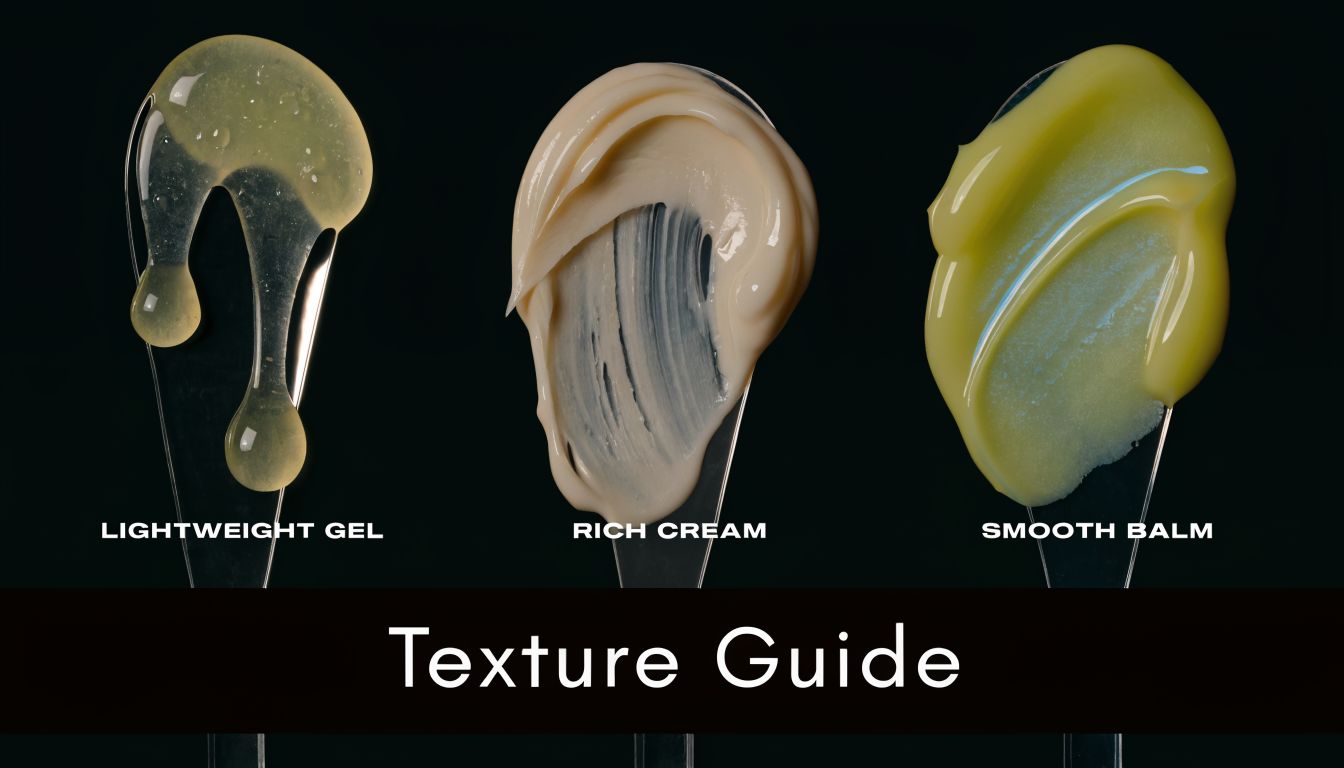
Gel for morning and puffiness
Gels work best when the customer wants speed, lightness, and a fresh finish. They’re often the easiest sell for morning routines, warmer months, and customers who wear concealer or SPF around the eyes.
A gel is often the best eye cream format for:
- Morning de-puffing: Cooling feel supports a refreshed look.
- Oily or combination skin: Less residue, less slip.
- Minimalist users: Fast application, low sensory weight.
The limitation is simple. Gels usually don’t satisfy customers with visible dryness, crepey texture, or a desire for a cocooning overnight treatment.
Cream for the widest audience
Creams are the all-rounders of the category. They usually balance water-based hydration with enough emollience to soften lines and improve comfort. For many retailers, creams should form the core of the assortment because they suit the broadest range of users.
A good cream tends to work well for customers who want one product that can cover hydration, softness, and daily anti-ageing support without feeling overly active or overly rich.
A quick texture demo can help staff understand the differences in finish and slip:
Balm for repair and protection
Balms divide opinion, which is exactly why they’re useful. The right customer loves them. The wrong customer rejects them immediately.
Use balms for:
- Very dry, fragile-feeling skin
- Night routines
- Cold-weather protection
- Customers who already enjoy facial oils or richer creams
Egyptian Magic is a good example of the kind of product that can function as a rescue-style option in a curated shelf. It won’t suit everyone for daytime use, but for overnight comfort or protection in harsher conditions, a balm can outperform a lighter formula because it stays put and reduces water loss more effectively.
Don’t ask only what concern a customer has. Ask when they want to use the product. The same person may need a gel in the morning and a balm at night.
A simple texture matrix for the shelf
| Format | Best for | Watch-outs |
|---|---|---|
| Gel | Puffiness, layering under makeup, quick morning use | May feel too light for dry or mature skin |
| Cream | Everyday hydration, first anti-ageing eye care, balanced comfort | Can disappoint if the customer wants either ultra-light or ultra-rich |
| Balm | Overnight nourishment, very dry skin, barrier comfort | Too rich for some daytime routines |
A balanced retailer doesn’t choose one texture. They build a reasoned mix.
Curating Your Shelf for the Conscious Consumer
A customer stands at the pharmacy shelf in Zurich comparing two eye creams at nearly the same price. One offers vague luxury language. The other gives a clear natural origin story, credible certification, and a formula profile that makes sense for delicate, dryness-prone skin. In this category, the second product usually wins faster, and with less discount pressure.
For Swiss retailers, that matters. Eye cream is a small format purchase with high scrutiny. The shopper reads the pack, questions ingredient safety, and expects the product to justify its margin. A shelf built around natural, certified, and ethical brands gives staff a clearer selling story and gives customers a clearer reason to trade up.
Why conscious curation performs in Swiss eye care
The eye area often shows the effect of dry air, cold weather, altitude, indoor heating, and frequent travel before the rest of the face does. That makes Swiss demand more specific than a generic anti-ageing pitch. Retailers do better when they stock products that answer sensitivity, dehydration, barrier support, and ethical expectations in one offer.
I advise partners to treat eye cream less like a trend purchase and more like a trust purchase. The customer is applying a formula close to the eye, often twice a day, and often while managing irritation, makeup wear, or seasonal dryness. Certified natural positioning helps reduce hesitation, but only if the assortment is disciplined and the product stories are distinct.
Certifications need a commercial role
Certifications work best when they help staff explain why a product belongs on the shelf.
Useful shelf signals include:
- ECOCERT or COSMOS-recognised standards: Supports claims around natural sourcing and formulation discipline.
- Cruelty-free commitments: Relevant for ethically driven shoppers and younger premium buyers.
- Ingredient transparency: Strong in pharmacy, clinic-adjacent, and spa environments where staff are expected to answer detailed questions.
These cues support conversion because they shorten the comparison process. They do not replace performance. They help justify premium pricing in a category where shoppers are selective and often sceptical.
Build a tiered assortment with clear roles
A profitable eye cream shelf rarely needs more options. It needs fewer overlaps.
Use a good, better, best structure only if each brand earns its place:
Good should cover the entry premium customer who wants clean ingredients, comfort, and everyday value. Fushi can fill that role well if your shopper responds to fresh-pressed oils and simple, natural nourishment.
Better should add treatment appeal and stronger sensory differentiation. Les Thermes Marins de Saint-Malo works well here for retailers who want a marine wellness story, polished textures, and spa credibility.
Best should offer more than a higher price. JULISIS fits this tier when the customer wants rarity, ritual, and a more distinctive luxury identity rooted in natural formulation.
This structure gives staff a practical way to recommend by need, usage style, and values, rather than defaulting to whichever product has the biggest marketing halo.
A strong shelf gives each product a job. If two eye creams solve the same problem in the same way for the same customer, one of them is tying up cash.
The assortment gaps I see most often
Retail partners often underperform in this category for four avoidable reasons:
- Weak sensitive-eye positioning: Products claim to suit everyone, but few speak clearly to fragile or easily stressed skin.
- Too little ethical explanation: Certifications appear on pack, yet staff and shelf talkers do not explain why they matter.
- Poor climate relevance: Merchandising ignores winter dryness, mountain conditions, travel, and heated indoor environments.
- Crowded mid-tier duplication: Several creams sit at similar price points with no meaningful difference in story or function.
Fixing those gaps usually improves sell-through more than adding another SKU.
A conscious eye cream assortment should feel edited, credible, and easy to understand. That is how Swiss pharmacies, spas, and retailers turn a crowded category into a profitable one.
Empowering Your Staff to Sell With Confidence
A well-bought assortment can still underperform if staff hesitate during consultation. Eye cream is a category where the customer often arrives uncertain, slightly sceptical, and sensitive to price. That’s why the sales approach has to feel like guidance, not a script.
The strongest teams use a short consultation method they can repeat all day without sounding repetitive.
A three-step consultation flow
Start with the concern, then move to past experience, then texture.
What’s bothering you most around the eyes?
This opens the door to dark circles, puffiness, dryness, or lines without forcing jargon.What have you used before, and what didn’t you like?
This question reveals whether the customer found previous products too rich, too irritating, too ineffective, or too expensive.What texture do you enjoy using?
Customers often know this even if they don’t know ingredients. They’ll say “something light”, “nothing greasy”, or “I want a richer night treatment”.
That sequence helps staff avoid the most common sales mistake. Recommending by product popularity instead of customer fit.
Demonstration matters
When possible, demonstrate application. Eye cream is a small-step category. Tiny usage errors can affect comfort.
Train staff to explain the method clearly:
- Use a small amount: More product doesn’t improve results.
- Apply with the ring finger: It usually applies the least pressure.
- Pat, don’t rub: Pat along the orbital area rather than dragging the skin.
- Keep distance from the lash line: Migration causes avoidable complaints.
If testers are available, hygiene needs to be visible and consistent. Use spatulas or other clean sampling methods, keep the station organised, and never let the category look messy. Eye care is trust-sensitive retail.
What staff should say when expectations need managing
Good retail advice includes restraint. Not every concern will change dramatically with a topical product. Staff should be confident enough to say that without losing the sale.
Examples help:
- For persistent structural bags, recommend for comfort and visible softening rather than promising complete correction.
- For deep static lines, position the product as part of consistent care, not an instant fix.
- For sensitive eyes, lead with tolerance and barrier comfort first.
Customers trust staff more when they hear one limitation alongside one clear benefit.
A mini FAQ for the shop floor
Why is eye cream more expensive than face cream?
Because eye formulas are usually designed for a more delicate area, with textures and ingredient balances that need to perform without overwhelming the skin. The category also tends to use smaller packs and more specialised positioning.
How long until I see results?
That depends on the concern. Puffiness and surface dehydration often show improvement sooner than deeper lines or long-standing tone concerns. Encourage consistent use and realistic expectations.
Can I use my face cream around my eyes?
Sometimes, but not always comfortably. Many face creams are too rich, too active, or not elegant enough for the eye area. A dedicated eye product gives a better chance of comfort and compliance.
Do I need a different one for day and night?
Not always. Some customers are happy with one versatile cream. Others do better with a lighter daytime gel and a richer overnight option.
Training points worth repeating weekly
- Focus on one main concern first
- Match texture before upselling actives
- Avoid overpromising on dark circles
- Explain use in plain language
- Recommend routine fit, not shelf prestige
Teams that can do those five things consistently usually sell eye care more effectively than teams with deeper ingredient knowledge but weaker consultation habits.
Merchandising and Marketing Your Eye Cream Selection
Eye cream doesn’t sell best when it’s buried inside a broad skincare wall. It sells better when the category is easy to compare, easy to understand, and easy to trust. Merchandising should reduce the customer’s cognitive load.
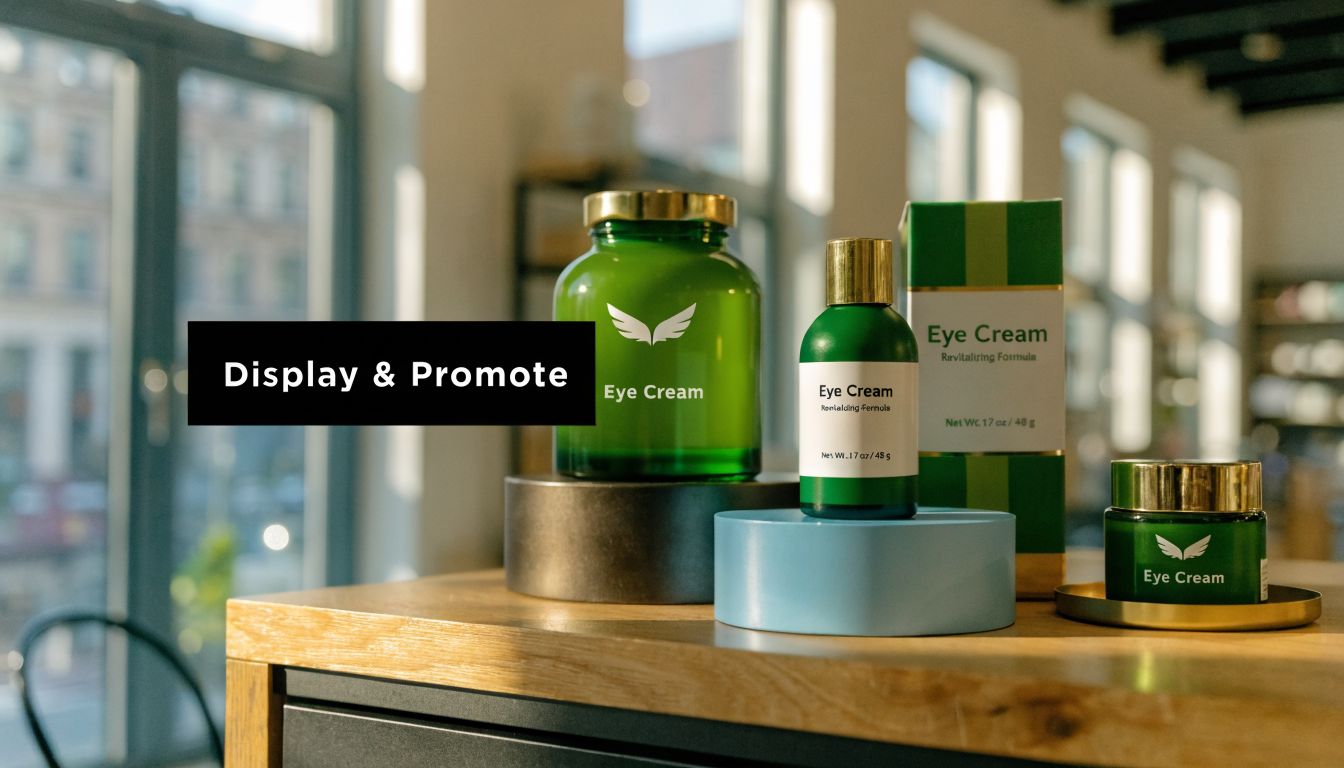
Build a visible eye care destination
In-store, the best eye cream category benefits from its own micro-zone. That can be a dedicated eye care shelf in a pharmacy, a treatment-led display in a spa reception, or a focused bay within a premium skincare wall.
Good visual grouping options include:
- By concern: Dark circles, puffiness, lines, dryness
- By texture: Gel, cream, balm
- By philosophy: Organic, marine, luxury ritual, multipurpose rescue
Concern-led merchandising is often easiest for customers. Texture-led merchandising often works best for trained staff and repeat buyers.
Use shelf communication that helps selection
Shelf-talkers should do more than repeat packaging. They should answer the question, “Why this one?”
Effective prompts include:
- Best for morning puffiness
- Best for dry, sensitive under-eyes
- Best for richer overnight repair
- Certified natural choice
- Marine hydration and elasticity support
That kind of language helps customers self-select before they even ask for help. It also gives staff a faster starting point.
Bundle with routine logic
Eye cream often sells more effectively when paired with a routine step that makes sense. Good bundles are practical, not forced.
Examples include:
- Morning eye gel plus cleanser
- Eye cream plus hydrating serum
- Rich eye balm plus winter skin rescue edit
- Spa eye treatment plus facial ritual add-on
The key is relevance. Bundling should feel like service, not margin engineering.
Translate the same logic online
On e-commerce, eye cream pages fail when every product sits in one undifferentiated grid. Use filters that mirror how customers think:
| Filter type | Why it helps |
|---|---|
| Concern | Shoppers often know the problem before they know the ingredient |
| Texture | Useful for customers comparing gels, creams, and balms |
| Certification | Important for natural and ethical shoppers |
| Routine timing | Helps split day, night, and anytime use |
Product descriptions should also explain finish, ideal user, and best use case. “Hydrating eye cream” isn’t enough. “Light cream for daytime dryness under concealer” is better.
Tell the brand story beyond the SKU
Some of the strongest premium eye care brands win because the story is easier to remember than the INCI list. Marine sourcing, alchemical ritual, fresh-pressed oils, or heritage multipurpose care all create reasons to choose one product over another.
If your team is developing digital visibility around those stories, it helps to understand how to run effective beauty influencer campaigns in a way that supports education instead of empty hype. The best collaborations in this category explain textures, routines, and customer fit. They don’t just stage a pretty jar.
A good display gets attention. A good story gets repeat purchase.
Building a Category of Excellence
The best eye cream category isn’t built by chasing every launch. It’s built by making sharper decisions. Retailers who perform well in this segment usually do five things well. They understand the underlying concern behind the purchase. They choose ingredients and textures that fit daily use. They curate around ethical and natural credibility. They train staff to consult with precision. They merchandise the shelf so customers can find what they need easily.
That combination creates more than sales. It creates trust.
For retailers that want to improve category management across channels, tools for streamlining skincare sales with AI can also help teams organise recommendations, product discovery, and customer journeys more efficiently. Technology won’t replace judgement, but it can support it.
The eye area is small. The category opportunity isn’t.
If you’re building or refining a premium natural eye care assortment for Swiss retail, beautysecrets.agency can help you select differentiated brands, shape a clearer category strategy, and create a shelf that reflects quality, transparency, and commercial sense.