TikTok-driven interest in "glass skin" across Europe has surged, and Swiss retailers are feeling that demand in search terms, product requests, and SPF expectations. The commercial question is no longer whether Korean skincare has relevance in Switzerland. It is whether your range is built to convert that interest into repeat purchase under Swiss conditions.
The best korean skincare assortment is not a stack of viral imports. It is a category plan built around climate, compliance, and margin discipline. Swiss shoppers deal with dry winter air, strong UV exposure at altitude, urban sensitivity, and high standards for ingredient transparency. They also respond to natural positioning, provided performance is credible and claims are clean.
That creates a clear retail opportunity. Korean skincare gives you lightweight hydration, barrier-focused care, refined sunscreen textures, and ingredient stories customers already understand. The range still needs local filtering. Products that perform well in Seoul’s fast-turn trend cycle do not automatically suit a Swiss pharmacy shelf, a premium e-commerce basket, or a spa-led recommendation model.
I advise retail partners to treat K-beauty as a strategic category, not a novelty display. That means checking formulation fit for the local climate, confirming documentation for standards your customers recognise, including ECOCERT or PETA where relevant, and building merchandising around skin concerns rather than hype. If you look at the enduring appeal of Karin Herzog Swiss skincare, you can see the benchmark clearly. Swiss consumers will pay for skincare with a credible quality story, but they expect proof, consistency, and textures they will finish.
The K-Beauty Opportunity in the Swiss Market
South Korea is one of the few beauty markets that has built skincare into a mature export category, not just a domestic trend. For Swiss retailers, that is the first signal to pay attention to. You are not buying into a short-lived social media spike. You are assessing a supply base with manufacturing depth, fast formulation cycles, and partners that are used to serving international channels.
That export maturity suits Switzerland particularly well. Swiss buyers tend to scrutinise INCI lists, certification claims, texture quality, and brand credibility before they commit shelf space. Korean brands that are ready for serious distribution can meet those expectations, but only if the assortment is selected with discipline.
Why Swiss retail is well positioned
Swiss consumers already spend on skincare with intent. They compare efficacy, tolerate premium pricing when the product earns it, and expect a coherent quality story. That is one reason K-beauty can sit beside heritage European brands without feeling out of place. If you look at the enduring appeal of Karin Herzog Swiss skincare, the pattern is clear. Swiss customers respond to products that combine technical credibility, clear positioning, and a formulation identity they can understand quickly.
K-beauty enters through that same commercial logic, but with a different advantage set. It brings more experimentation in textures, stronger cadence in new product development, and a well-developed language around hydration, barrier care, and daily skin maintenance.
Commercial reality: The strongest Swiss launches usually begin with a tightly edited range and a clear consumer promise.
What creates the opportunity
A well-built K-beauty assortment can improve performance in three areas:
- Shelf differentiation: It gives pharmacies, boutiques, and premium e-commerce teams product stories built around hydration balance, barrier repair, calming care, and elegant SPF textures.
- Higher-intent demand: Swiss shoppers already recognise ingredients such as niacinamide, Centella asiatica, fermented extracts, and gentle exfoliating acids.
- Premium basket potential: The category was developed in a market where skincare is treated as a recurring investment, not a one-off add-on. That demonstrates why Korean brands often arrive with stronger regimen logic, better step-by-step upsell potential, and packaging built for repeat use.
The trade-off is straightforward. Broad ranges create noise. Curated ranges create confidence, better staff recommendations, and cleaner stock turns.
Retailers that win in this category ask harder questions early. Which products hold up in dry winter air and high-UV alpine conditions? Which suppliers can support ECOCERT or PETA claims where relevant? Which formulas deserve a place in a Swiss pharmacy, and which belong only in trend-led online channels?
Those decisions determine whether K-beauty becomes a profitable long-term category or just another crowded import story.
Understanding the Korean Skincare Philosophy
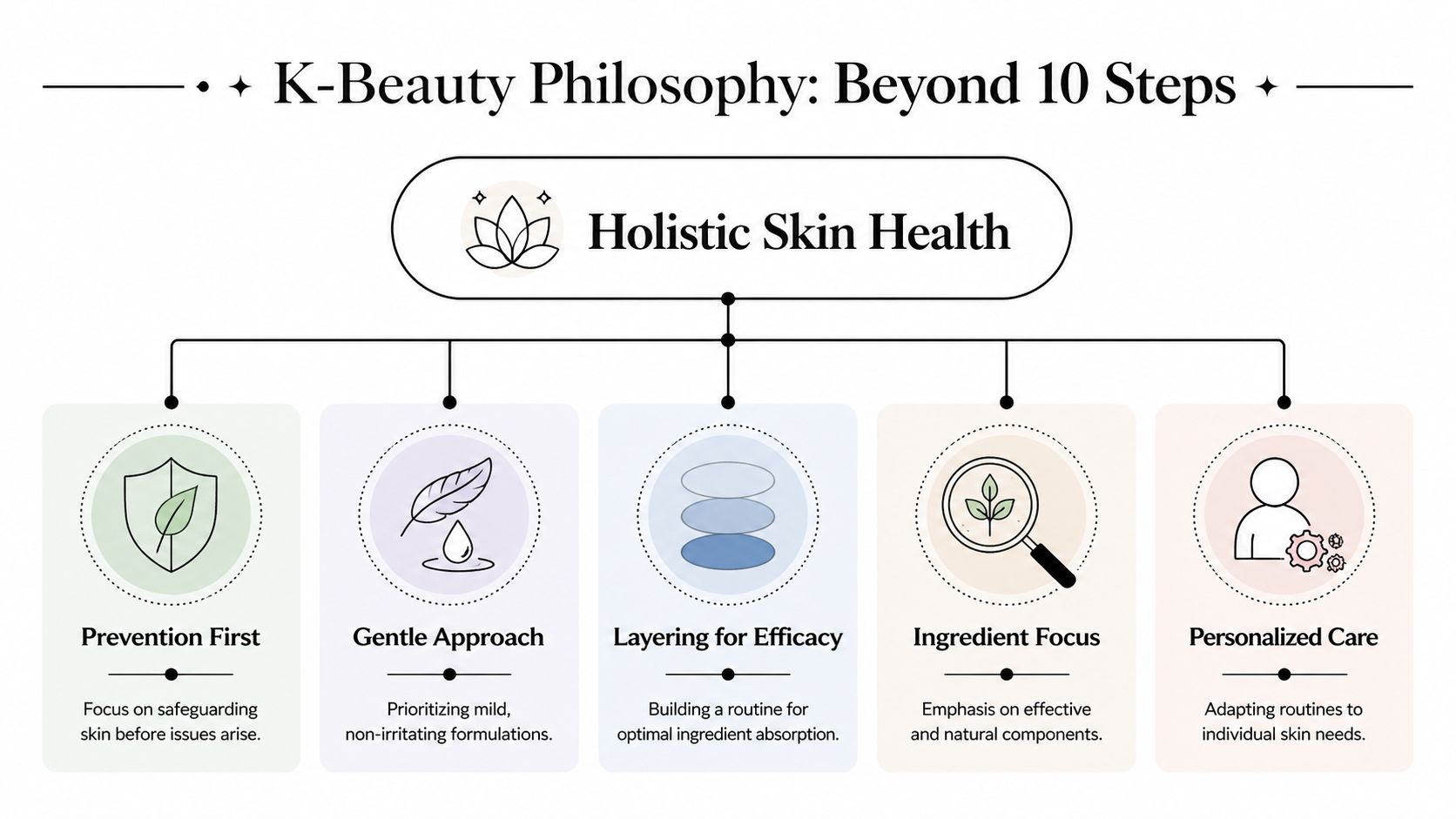
Many retailers still describe K-beauty as a 10-step routine. That’s a poor sales explanation. It makes the category sound complicated before the customer has even touched a product. The better explanation is simpler. Korean skincare is a philosophy of consistent skin maintenance, built around hydration, barrier respect, prevention, and flexible layering.
Prevention matters more than rescue
A lot of Western skincare marketing still leans on correction. Fix the wrinkle. Attack the spot. Strip the oil. K-beauty usually starts earlier and more gently. The idea is to keep skin calm, hydrated, and defended so that bigger problems are less likely to escalate.
That mindset is commercially useful in Switzerland. It helps staff recommend daily habits instead of single miracle products. It also suits customers who want efficacy without the feeling that they’re punishing their skin.
Layering is not excess
The easiest way to explain layering to customers is to compare it to dressing for mountain weather. You don’t always need the heaviest possible coat. Often, a few lighter layers perform better because they can be adjusted to the conditions. Korean skincare uses that same logic.
Instead of one dense cream trying to do everything, a routine may use a hydrating toner, then an essence, then a serum, then a moisturiser. Each layer has a job. The skin receives hydration, humectants, soothing actives, and occlusive support in an order that often feels lighter and more elegant than a single heavy product.
It’s a framework, not a rulebook
Retailers lose sales when they over-teach the routine. Customers don’t need ten products on day one. They need a routine they’ll keep using. That usually means a small set of products organised by skin need and time of day.
A clear way to present the philosophy in-store is this:
- Morning focus: Cleanse lightly, hydrate, treat if needed, protect with SPF.
- Evening focus: Remove sunscreen and make-up properly, replenish hydration, seal the barrier.
- Weekly focus: Add exfoliation or masks only when the skin can tolerate them.
Korean skincare works best when the routine feels sustainable. If it feels like homework, the customer won’t repurchase.
Ingredient literacy is part of the appeal
K-beauty customers often know what they’re buying. They ask about niacinamide, hyaluronic acid, Centella asiatica, ferments, ceramides, rice extracts, and ginseng. That means your staff can’t rely on vague words like “glow” and “radiance” alone. They need to connect ingredients to outcomes.
For Swiss retail teams, that’s a benefit rather than a burden. Ingredient-led selling tends to increase trust, especially in pharmacies, clinic-adjacent retail, and premium e-commerce. It also makes it easier to build themed assortments such as barrier repair, hydration recovery, or calming routines for reactive skin.
Key Ingredients Powering K-Beauty Formulations
Swiss retailers usually get better sell-through from K-beauty when the assortment starts with skin stressors customers already recognise. In this market, that often means dehydration from cold air and indoor heating, plus redness and barrier disruption linked to urban exposure, overuse of actives, and seasonal change. Ingredient selection should reflect those realities before it follows social media demand.
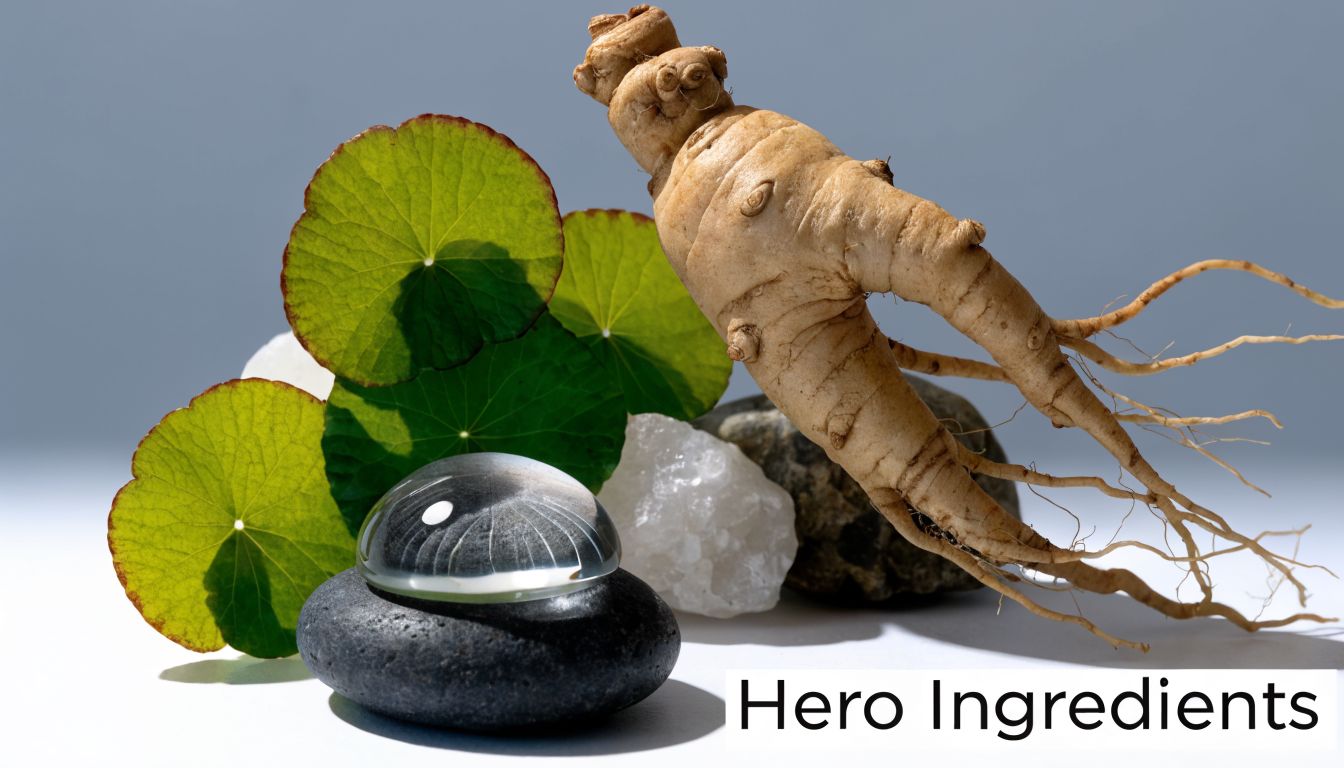
Ginseng for winter dryness and stressed skin
Panax ginseng deserves serious shelf space in Switzerland because it fits a common retail brief. Customers want hydration and antioxidant support, but many reject heavy textures. Ginseng answers that need particularly well in essences, serums, and lighter emulsions.
It is often framed as a traditional ingredient. For retail, the more useful angle is performance. Earlier research cited in this article noted strong hydration results for Panax ginseng extract, which is why I place it in the functional hydration category rather than the heritage category.
That distinction affects merchandising. A ginseng SKU should not sit in a vague "glow" story. It should sit in hydration, first signs of ageing, winter skin recovery, or dull and fatigued skin.
Where ginseng works well in retail
Pharmacies, premium beauty chains, and clinic-adjacent counters can position ginseng in:
- Hydration-focused anti-ageing routines
- Winter skin recovery edits
- Morning antioxidant assortments with SPF
- Travel fatigue and dullness sets
There is a trade-off. Ginseng has broad appeal, but formulas still need texture discipline. If the product is too rich, younger customers and combination skin types will drop out. If the formula is too thin and offers little comfort, dry-skin customers will not repurchase in January.
Centella asiatica for redness and barrier repair
Centella asiatica, often sold as Cica, is one of the easiest K-beauty ingredient stories to convert in Swiss retail. Customers with reactive skin usually ask for three things. Lower redness, less tightness, and fewer formula risks. Cica addresses that brief cleanly, especially when the formula names specific Centella fractions such as madecassoside or asiaticoside instead of hiding behind generic botanical language.
Earlier source material referenced in this article associated madecassoside-led formulas with improved barrier performance, and it also pointed to pollution-related sensitivity as a relevant concern. Therefore, Swiss staff should connect Cica to barrier repair, post-irritation support, and everyday sensitivity rather than relying on vague calming claims.
That is also where compliance and positioning matter. For Swiss channels that screen for natural-leaning credentials, vegan status, or cruelty-free alignment, Cica ranges often fit well with ECOCERT-minded shoppers and PETA-aware buyers. The product still has to perform. Certification supports trust, but it does not replace a clear use case.
Best use cases for Cica-led products
Cica toners, ampoules, creams, and sheet masks work well in:
- Redness-prone urban skin assortments
- Barrier-repair edits after over-exfoliation
- Sensitive skin filters in e-commerce
- Post-facial homecare recommendations focused on calming and replenishing
Retail test: If the pack says “soothing” but the formula story never explains which active does the work, conversion will be weaker in Swiss channels.
The role of familiar actives
K-beauty succeeds partly because it combines distinctive Korean ingredient stories with actives Swiss consumers already understand. Niacinamide, hyaluronic acid, ceramides, and gentle exfoliating acids reduce hesitation at the shelf. They also give sales teams a simple way to explain efficacy.
Use the familiar active to anchor the conversation. Then explain why the Korean formula may feel different in texture, layering behavior, or skin comfort. That sales sequence works better than leading with novelty alone, especially in pharmacies and premium online shops where the customer expects ingredient precision.
What builds a stronger assortment
The best korean skincare assortment for Switzerland is built like a category plan, not a trend board. Ingredient families should map to clear customer problems, climate pressure, and compliant brand positioning.
A practical standard looks like this:
- Keep hero ingredients tied to one core job, such as hydration, barrier repair, brightening, or antioxidant support
- Group products by skin state, such as tight and dehydrated, red and reactive, or dull and fatigued
- Prefer formulas with explicit active levels or clear ingredient logic over products that list many botanicals without a defined purpose
- Match certification and claims carefully so merchandising does not run ahead of what the dossier can support in Swiss retail
That is how ingredient-led K-beauty becomes commercially useful. Customers get a clearer buying decision, staff get a sharper selling story, and the retailer gets an assortment that is easier to train, merchandise, and repeat-order.
Demystifying the Multi-Step K-Beauty Routine
Most customers don’t need more steps. They need better sequencing. That’s the easiest way to sell the K-beauty routine without overwhelming them. The routine is a skincare wardrobe, not a commandment. Some customers will wear the full outfit. Others only need the essentials.
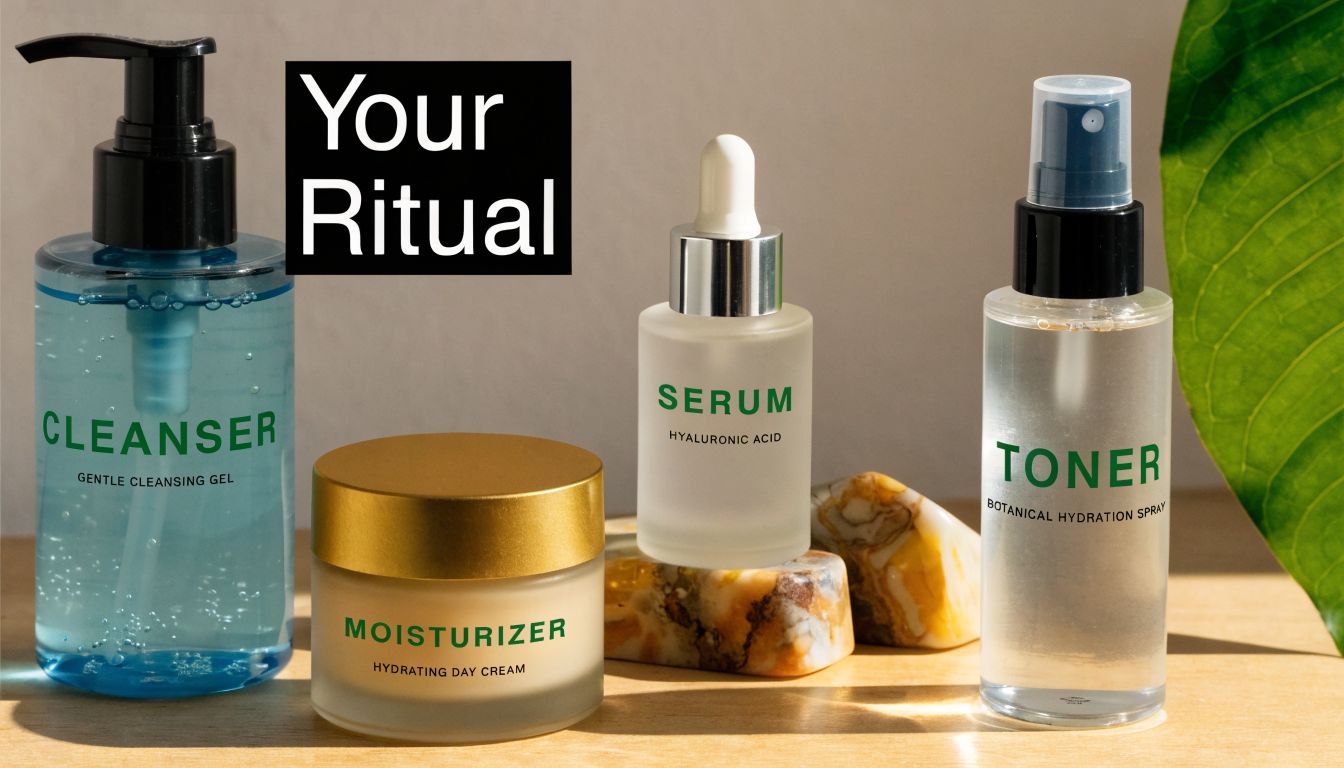
The order matters more than the total
K-beauty’s global user base exceeds 80 million, with 58.0% using essence and 50.5% using moisturising cream. In South Korea, women show very high adoption of foundation steps, with 93.2% using toner and 92.2% applying sunscreen, according to Q-depot’s overview of Korean skincare usage. For retailers, that tells you something important. The routine is built on a few core habits, not endless novelty.
A practical retail explanation looks like this:
Cleanse properly
In the evening, remove sunscreen and make-up thoroughly. If a customer wears SPF daily or uses long-wear complexion products, double cleansing makes sense. If not, a gentle single cleanse may be enough.Rehydrate immediately
Toner and essence exist to put water and light functional ingredients back into the skin fast, often making K-beauty feel noticeably better than many conventional routines.Treat selectively
Serums and ampoules target the concern. Dehydration, redness, dullness, or uneven tone. Not every customer needs three of them.Seal and protect
Moisturiser locks in comfort. Morning SPF finishes the job.
Build routines by lifestyle, not by ideology
The most effective assortments are the ones staff can edit down. A busy commuter in Zürich may want a four-step morning routine. A spa client in St. Moritz may happily adopt a more layered evening ritual. Both are valid customers.
Here’s a useful in-store breakdown:
- For busy professionals: cleanser, hydrating toner, one serum, sunscreen.
- For dry winter skin: cleanser, essence, barrier serum, cream.
- For sensitive skin: gentle cleanse, Cica toner, calming serum, simple moisturiser.
- For oily but dehydrated skin: light gel cleanse, balancing toner, lightweight essence, non-greasy cream.
The customer doesn’t need ten steps. The customer needs the right four to six.
A visual explainer can help staff introduce the flow with less friction:
Common retail mistakes
The biggest selling error is treating every step as mandatory. That increases basket abandonment. Another mistake is skipping cleansing education. Customers often invest in serums but underperform their routine because they’re not removing SPF properly at night.
A better sales script is simple. Ask what the customer is trying to solve, ask how much time they’ll realistically commit, then build the smallest routine that can work. If results come, they’ll add steps later.
Sourcing Compliant K-Beauty for Your Swiss Channel
The best korean skincare range for Switzerland isn’t the broadest range. It’s the one you can defend. That means defensible on formulation logic, defensible on compliance, and defensible on fit for your retail channel. If a product is merely popular but doesn’t align with Swiss expectations around ingredient transparency, cruelty-free positioning, and premium presentation, it won’t hold up.
A market gap already exists. 68% of Swiss consumers with eczema or atopic dermatitis seek climate-adapted imports, yet only 12% of pharmacies stock K-beauty products, according to Coveteur’s market-gap reference. For pharmacy and drugstore buyers, that is not an abstract trend. It is an underserved need sitting in plain view.
Start with channel fit
Pharmacies, spas, and e-commerce shops should not buy from the same checklist alone. Each channel requires a different form of proof and a different product story.
| Retail Channel | Ideal Product Focus | Key Compliance Checks | Marketing Angle |
|---|---|---|---|
| Pharmacy | Barrier creams, calming serums, daily SPF, fragrance-light hydration | Ingredient INCI clarity, cruelty-free status, claims discipline, suitability for sensitive skin, ECOCERT compatibility where relevant | Skin comfort, routine simplicity, climate-adapted care |
| Luxury spa | Sensorial masks, treatment toners, ginseng essences, premium creams | Origin transparency, natural ingredient positioning, treatment room suitability, premium packaging consistency | Ritual, texture, wellness, visible replenishment |
| E-commerce | Viral SPF, essence, Cica ampoules, starter routines, hero serums | Clear product page claims, certification documentation, returns risk from unclear usage, product imagery | Ingredient education, before-and-after routine logic, trend relevance |
Compliance is part of merchandising
Swiss consumers often interpret compliance cues as quality cues. That means certifications and ethical claims shouldn’t be treated as back-office paperwork only. If a range is ECOCERT-compatible in concept, cruelty-free in line with PETA or Cruelty Free International standards, and aligned with cleaner ingredient expectations, that should shape your assortment decision from the start.
What matters in practice:
- Check claim discipline: Avoid products whose packaging overpromises medical-style outcomes without support.
- Request certification documents early: Don’t wait until listing or onboarding to verify cruelty-free and natural-positioning claims.
- Review the full line, not one SKU: A single excellent serum inside a poorly aligned brand often creates confusion on shelf.
- Audit fragrance strategy: Swiss sensitive-skin customers often read fragrance as a risk factor, especially in pharmacy channels.
What to ask a prospective supplier
A promising Korean brand should answer operational questions clearly. If answers come back vague, that usually predicts trouble later.
Ask for:
- Full INCI lists and hero ingredient percentages where available
- Documentation on cruelty-free policies and any recognised third-party alignment
- Positioning by skin need, not only by trend
- Evidence that the line can be merchandised as a coherent routine
- Packaging suitability for multilingual retail environments
A compliant assortment is easier to market because your staff can speak plainly and confidently about what the products are, who they’re for, and where they fit.
The trade-offs buyers should accept
Not every excellent Korean formula belongs in Switzerland. Some are too trend-dependent. Some rely on messaging that’s more social than technical. Some have beautiful textures but unclear ingredient communication. Others are brilliant online but weak in-store because the packaging doesn’t educate the customer fast enough.
Retailers usually get stronger results when they choose brands that offer at least three of these four qualities:
- Clear hero ingredients
- Routine cohesion
- Ethical or natural positioning
- Strong texture experience
If a line only has virality, it becomes expensive to keep explaining. If it only has technical credibility but no sensorial appeal, it may underperform in boutique and spa environments. Swiss buyers should resist the temptation to overcorrect in either direction.
A practical sourcing model
A disciplined launch often uses a core-assortment model:
- One cleansing franchise
- One hydration franchise
- One barrier-repair franchise
- One SPF franchise
- A small seasonal or trend capsule
That structure keeps inventory cleaner and staff training sharper. It also gives you a more useful answer when customers ask for “the best korean skincare”. You can respond by concern and routine role, not by hype alone.
Merchandising and Marketing K-Beauty Effectively
A good assortment can still fail on shelf. K-beauty sells best when the retailer translates the category into decisions customers can make quickly. Swiss customers don’t need a wall of unfamiliar jars. They need a reason to trust the routine, understand the ingredient, and imagine the result.
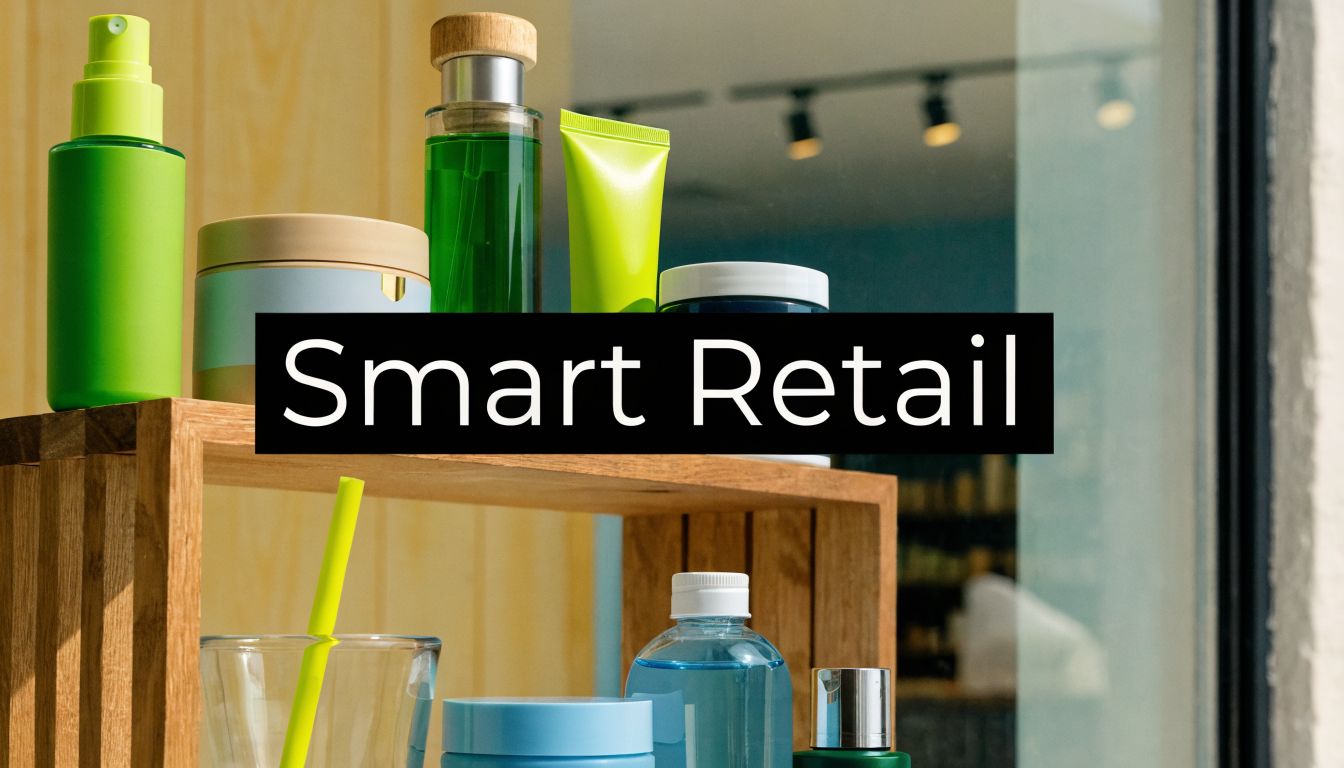
Merchandising by concern beats merchandising by origin
“Made in Korea” can attract attention, but it rarely closes the sale on its own. Group products by dehydration, barrier repair, redness, daily glow, or lightweight SPF. This is especially effective in pharmacies and premium e-commerce because it matches how customers shop.
In-store, use shelf signage that answers three questions fast:
- What does this do
- Who is it for
- Where does it sit in a routine
That sounds basic, but many K-beauty displays still fail because they assume the customer already understands toner versus essence, or ampoule versus serum.
Starter kits reduce hesitation
One of the cleanest ways to convert interest into purchase is the routine set. Not a bloated ten-step bundle. A concise set built for a real skin state. Dry winter skin. Sensitive city skin. First K-beauty routine. Daily SPF and hydration.
Retailers often overlook how important this is. A customer may like a serum, but a routine set teaches usage order and increases confidence. It also creates a natural path to repeat purchase because the customer remembers the system, not just the product name.
Sell a routine with a lead product, not a lead product with vague routine suggestions.
Digital presentation needs more than pretty packaging
Online, K-beauty performs best when product pages do educational work. Texture shots, concise ingredient glossaries, routine placement, and clear pairing guidance all matter. If the customer sees “essence” but doesn’t know whether it replaces toner or serum, you create friction that didn’t need to exist.
A useful benchmark for online operators is to study broader frameworks for proven eCommerce sales growth, then adapt those principles to skincare-specific conversion points such as routine logic, ingredient explanation, and replenishment cadence. The point isn’t to push harder. It’s to remove uncertainty.
What strong K-beauty storytelling looks like
Good marketing copy for this category is rarely loud. It is precise. It explains texture, function, user profile, and expected experience. It doesn’t hide behind fluff.
A practical format for shelf cards or product-page modules:
| Element | What to say |
|---|---|
| Product role | Hydrating toner, calming essence, barrier cream, daily SPF |
| Best for | Tight skin, visible redness, compromised barrier, elegant UV protection |
| Hero ingredient | Ginseng, Centella asiatica, niacinamide, hyaluronic acid |
| Texture expectation | Watery, milky, gel-cream, cushiony cream |
| How to use | After cleansing, before serum, morning only, evening only |
Train staff to simplify, not perform
The best staff conversations are calm and specific. They don’t recite trends. They translate them. If a customer asks for glass skin, staff should turn that into a practical prescription: better hydration layering, barrier support, and daily sunscreen with a finish they’ll wear.
That matters even more in Switzerland, where customers often reward credibility over excitement. The sale becomes easier when the staff member sounds like an adviser, not a fan account.
Your Next Step in Curating Korean Skincare
The best korean skincare opportunity in Switzerland is larger than product discovery. It’s a retail positioning decision. South Korea’s category strength, export maturity, and ongoing growth make it commercially serious. Swiss climate conditions and customer expectations make it locally relevant.
The winners in this category usually do four things well. They understand the philosophy behind preventive, barrier-conscious skincare. They select ingredients that solve real local concerns. They source with compliance and channel fit in mind. They merchandise the routine in a way that feels approachable.
That combination matters more than carrying the most talked-about product of the month. A compact, well-explained assortment will usually outperform a fashionable but incoherent one. Customers remember what worked for their skin, and retailers benefit when the range gives staff a confident, repeatable way to recommend.
Start with a pilot assortment you can train properly. Build around hydration, calming care, and daily protection. Keep the routine logic visible. If your customers can understand why each product is there, the category becomes easier to sell, replenish, and scale.
Frequently Asked Questions for Swiss Retailers
How much inventory should I hold for a multi-step category
Keep the launch tighter than your instinct suggests. A focused line-up with clear routine roles usually performs better than a broad wall of SKUs. Start with hero categories customers already understand, such as cleanser, toner, serum, cream, and sunscreen.
Then make the range depth concern-based, not step-based. You may need multiple serums for different needs, but not multiple versions of every routine layer from day one. That approach reduces confusion, improves staff confidence, and limits dead stock.
How should staff answer questions about unfamiliar ingredients like snail mucin or fermented extracts
Translate the ingredient into a skin outcome first. Customers rarely need a lecture on sourcing or biotechnology in the first sentence. They need to know whether the ingredient is for hydration, barrier support, soothing, or texture refinement.
A good staff response sounds like this in structure:
- Start with function: explain what the ingredient is meant to do.
- Connect it to skin need: dryness, redness, dullness, roughness.
- Place it in the routine: essence, serum, cream.
- Address hesitation directly: if the customer is unsure, recommend a familiar alternative with niacinamide, ginseng, or Centella.
If the customer wants more detail, then go deeper. But don’t overwhelm the first answer.
Are Korean skincare products compatible with Swiss and EU-style retail standards
Many can be, but compatibility should never be assumed. Review each brand at the level of ingredient transparency, claims discipline, cruelty-free status, and documentation quality. For natural-positioned channels, also examine whether the line can sit credibly beside ECOCERT-aligned assortments.
Importers and distributors often make or break the category. A product may be excellent in formula but weak in paperwork or claims language. Swiss retail needs both.
How do I present K-beauty in a pharmacy without making it feel too trendy
Lead with skin concerns, not social media language. A pharmacy display should sound clinical enough to build trust but warm enough to remain accessible. Focus on barrier support, hydration layering, calming care, and elegant SPF textures.
Avoid overdecorating the category with novelty cues. In pharmacy, credibility usually comes from routine clarity, ingredient explanation, and suitable recommendations for sensitive skin.
If the display looks like a trend corner, pharmacy customers may browse it. If it looks like a solution area, they’re more likely to buy from it.
Should I educate customers on the full ten-step routine
Only when the customer asks for it or clearly enjoys ritual. For most retail interactions, the better path is to recommend a compact routine first. Once the customer sees benefit and understands the sequence, additional steps become easier to introduce.
This protects retention. Customers who start too big often use the products inconsistently and blame the category rather than the routine size.
What kind of K-beauty products tend to work best across Swiss channels
Products with a clear routine role, elegant texture, and a direct ingredient story usually travel best across pharmacy, boutique, spa, and online settings. Ginseng-led hydration care, Centella-based calming products, barrier creams, and wearable daily sunscreen formats are easier to explain than highly niche trend products.
The deciding factor isn’t whether the item is famous. It’s whether your staff can answer three questions without hesitation: who is it for, what does it do, and why is this better than the customer’s current option.
If you’re ready to build a Swiss-ready K-beauty assortment with stronger compliance logic, natural-ingredient alignment, and channel-specific curation, beautysecrets.agency can help you evaluate brands, structure a commercially sensible range, and bring in premium formulations suited to pharmacies, spas, retailers, and e-commerce partners.